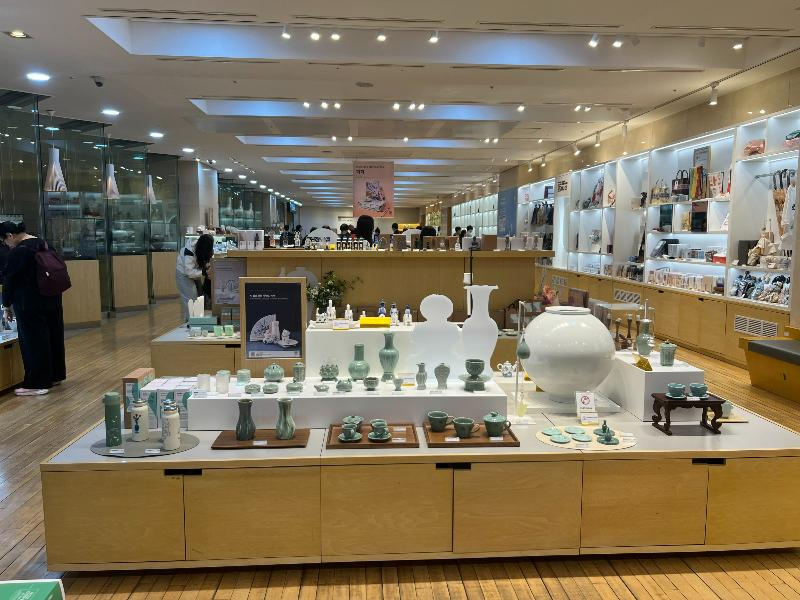
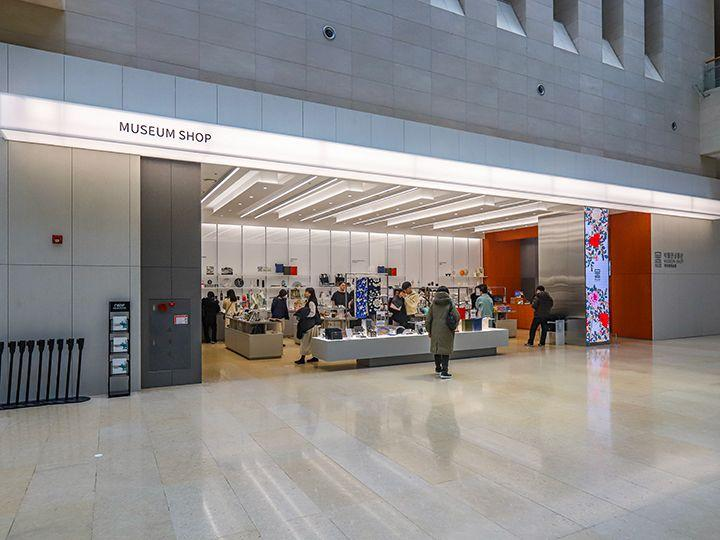
For many travelers, a museum gift shop is the final stop before leaving.
You may buy a postcard, a magnet, or a miniature copy of something you saw in the exhibition. The shop is usually pleasant, but rarely the main reason to visit the museum.
In Korea, that relationship is changing.
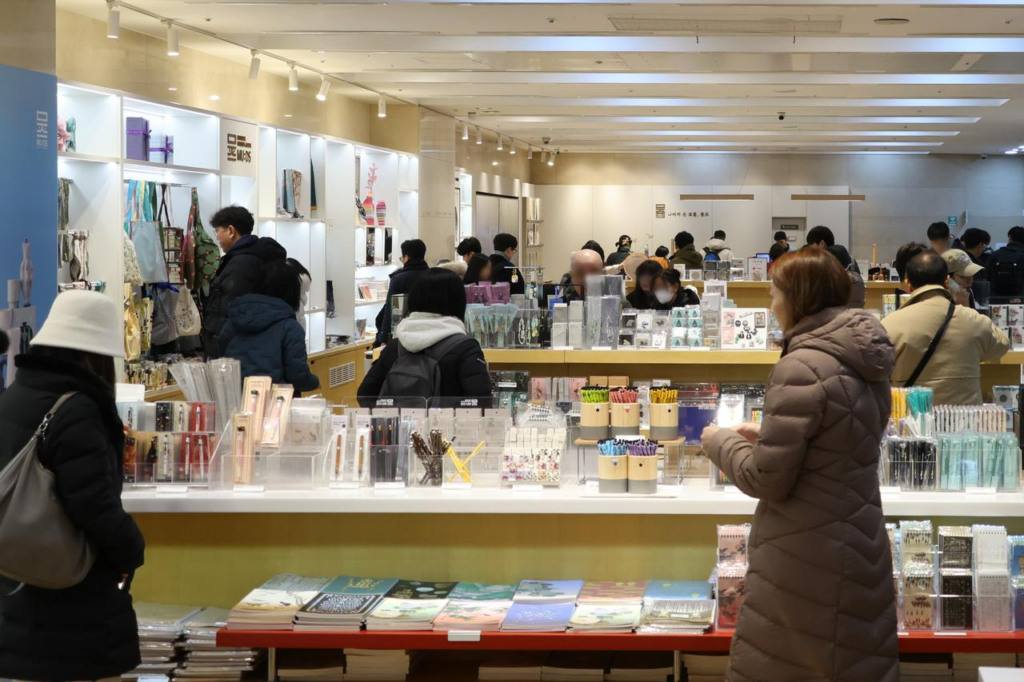
Some visitors now arrive at the National Museum of Korea already knowing which products they want. They search online for new releases, limited editions, ceramic objects, character badges, stationery, homeware, and modern designs inspired by historical artifacts.
The official museum merchandise brand MU:DS recorded sales of KRW 41.33 billion in 2025, nearly doubling from KRW 21.28 billion in 2024. Its sales had been only KRW 6.59 billion in 2021, showing how quickly museum merchandise has moved into mainstream Korean consumer culture.
Why have Korean museum gift shops become so popular?
The answer is not simply that the products are beautiful.
Their success comes from transforming history into objects that feel useful, personal, collectible, and surprisingly modern.
Museum Souvenirs No Longer Look Like Ordinary Souvenirs
Traditional museum merchandise often followed a predictable formula:
- Postcards
- Magnets
- Exhibition catalogs
- Miniature statues
- Exact replicas of artifacts
Korean museum shops still sell some of these items, but their most popular products often take a different approach.
Instead of making a direct copy of an artifact, designers extract one memorable detail:
- The expression of a tiger in a folk painting
- The curve of a moon jar
- A color from Goryeo celadon
- A pattern from palace dancheong
- A figure from a Joseon-period painting
- The shape of an ancient crown or incense burner
That detail may then become a badge, lamp, glass, keyboard, pouch, notebook, mug, fashion accessory, or decorative object.
The result does not always look like something purchased at a museum.
It may look like a stylish design product that happens to carry a Korean historical story.
What Is MU:DS?
MU:DS is the official museum merchandise brand operated by the National Museum Foundation of Korea.
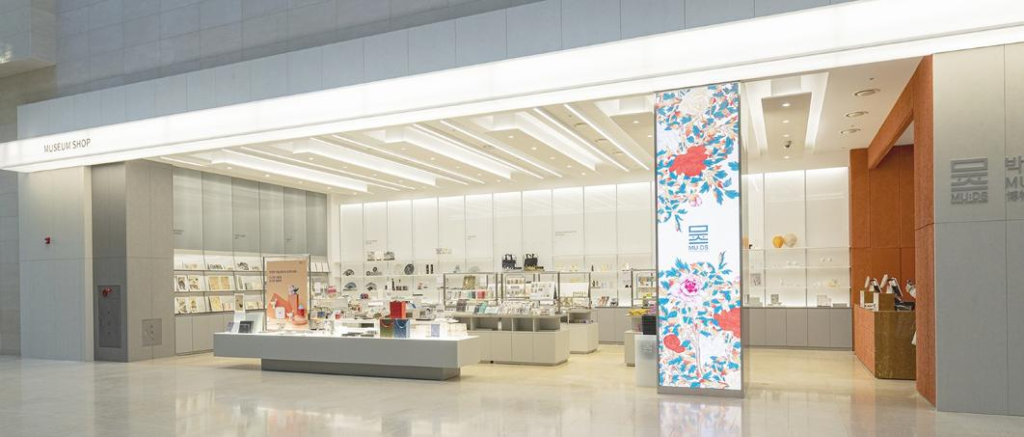
Its products reinterpret Korean cultural heritage for contemporary life. The range includes affordable stationery and small gifts as well as home accessories, handcrafted items, art objects, books, and premium products. The National Museum of Korea currently operates multiple museum-shop spaces, including a main shop, an exhibition-related shop, and a separate MU:DS brand showroom. It also offers online shopping.
MU:DS is not limited to Seoul. Its products are also available through national museums in cities such as Gyeongju, Daegu, and Gwangju, while the official online store offers international payment and overseas delivery services.
This distribution is important.
The products are no longer available only to people who happen to exit one museum exhibition. They can be discovered online, shared through social media, purchased in regional museums, and sent abroad.
Museum goods have become a cultural retail category of their own.
The Products Tell a Story Quickly
A successful museum product must work on two levels.
First, it should be attractive even to someone who knows little about Korean history.
Second, it should become more interesting once the buyer learns the story behind it.
For example, a playful tiger badge can be enjoyed simply as a cute accessory. But it can also introduce the buyer to kkachi horangi, Korean folk paintings featuring magpies and tigers.
A color-changing glass may appear humorous at first. Once filled with a cold drink, the face of a scholar turns red, connecting a modern drinking object with a character from a historical painting.
In 2025, the Magpie Tiger Badge sold approximately 90,000 units, while a set of color-changing glasses featuring tipsy scholars sold around 60,000 sets. Together, these examples show how humor, recognizable characters, and cultural storytelling can make historical imagery approachable.
The object becomes a conversation starter.
Someone may ask:
“Why is there a tiger on your bag?”
That question creates a chance to explain Korean folk art.
The souvenir therefore does more than preserve a memory. It helps the memory travel.
Korean Heritage Is Presented Without Feeling Old-Fashioned
One reason museum goods succeed is that they do not always treat tradition as something fragile, formal, or distant.
Designers allow history to be playful.
A Buddhist statue can inspire a small contemplative figure for a desk. Palace patterns can appear on a mechanical keyboard. A traditional painting can become a humorous drinking glass. A royal screen can influence modern beauty technology packaging.
VISITKOREA has highlighted MU:DS products such as a dancheong-inspired keyboard and collectible designs that reinterpret national treasures for contemporary users.
This approach is especially effective for younger consumers.
They do not have to choose between respecting tradition and enjoying modern design. The product offers both.
Korean heritage becomes something that can be placed on a desk, worn on a jacket, used in a kitchen, or given to a friend.
Social Media Changed How People Discover Museum Products
Many museum products are visually easy to share.
They have clear shapes, recognizable characters, attractive packaging, and a story that can be explained in a short video or caption.
A visitor may post:
- A product unboxing
- A comparison between an artifact and its modern design
- A list of items purchased
- A limited product that sold out
- A visit to the museum shop
- A gift recommendation for international travelers
This digital visibility changes the role of the shop.
People no longer discover the products only after viewing the exhibition. They may see the products first on social media and then decide to visit the museum.
Official Korean tourism content has described the National Museum of Korea’s MU:DS shop as popular enough for lines to form before opening.
In this case, merchandise does not merely extend the museum visit.
It can help generate the visit.
K-Culture Created New Curiosity About Traditional Korea
K-pop and Korean dramas first introduced many international audiences to modern Korea.
As interest deepened, some fans began looking beyond entertainment toward:
- Traditional clothing
- Palaces
- Folk paintings
- Korean mythology
- Historical characters
- Buddhist art
- Ceramics
- Traditional patterns
Popular media can suddenly make an old symbol feel familiar.
In 2025, international attention surrounding Korean traditional animal imagery helped drive demand for products inspired by magpies and tigers. Korea’s Ministry of Culture also reported increased museum attendance and product shortages during a period of heightened global interest in Korean-inspired characters and cultural imagery.
This does not mean museum products depend entirely on entertainment trends.
Rather, popular culture can act as an introduction. The museum then provides the historical depth behind the image.
A visitor may recognize a tiger from contemporary media and later discover that similar characters have appeared in Korean folk paintings for generations.
The Best Products Are Useful, Not Merely Decorative
Travelers must consider luggage space.
A large replica may be beautiful, but it can be difficult to carry. A small functional object is easier to justify.
Popular museum products often combine cultural meaning with daily use:
- Stationery
- Cups and glasses
- Pouches
- Phone accessories
- Key rings
- Lamps
- Clothing
- Tableware
- Computer accessories
- Small decorative objects
This practicality expands the customer base.
A person who would never purchase an expensive historical replica may happily buy a notebook decorated with a traditional pattern or a glass based on a famous painting.
The product feels special without becoming unusable.
Every time the buyer uses it, the museum memory returns.
There Is Something for Different Budgets
Museum shops can serve very different visitors.
A student may want an affordable sticker or badge. A traveler may look for a lightweight gift. A collector may want a detailed sculpture. A company or government institution may seek a premium cultural present.
MU:DS has expanded across these price levels and is developing more regional and premium products. The National Museum Foundation has also worked with small businesses and domestic producers, connecting cultural merchandise with local manufacturing and creative industries.
This broad range helps the shop avoid becoming either too cheap or too exclusive.
Visitors can participate in the culture at the level that suits them.
Museum Goods Make Difficult History More Approachable
Not every visitor enters a museum with detailed knowledge of Korean history.
Dates, dynasties, religious terms, and unfamiliar artistic styles can feel overwhelming.
A well-designed object can provide an easier starting point.
Someone may first become interested in:
- The calm smile of a Buddhist statue
- The humorous tiger in a folk painting
- The blue-green surface of celadon
- The simplicity of a white moon jar
- The geometry of a palace pattern
Later, that visual interest can lead to a deeper question:
“What is the original artifact?”
This process reverses the traditional museum journey.
Instead of learning first and buying later, the visitor may buy first and then want to learn.
A good museum product is therefore a small doorway into a much larger cultural story.
The Gift Shop Extends the Exhibition Beyond the Museum
Museum exhibitions are temporary experiences.
Visitors walk through galleries, observe objects, read labels, and eventually leave.
A museum product allows one part of that experience to continue at home.
A moon-jar lamp changes the atmosphere of a room. A folk-art badge becomes part of someone’s clothing. A notebook carries a palace pattern into a workplace or classroom.
The museum’s influence no longer ends at the exit.
This is particularly valuable for international visitors because physical objects can help them explain their Korean experience to other people.
A thoughtful museum souvenir says more than:
“I visited Korea.”
It may say:
“I discovered this painting, symbol, artist, or historical idea while I was there.”
Why This Matters as a Business Model
Korean museum merchandise also offers a useful business lesson.
Cultural institutions do not need to choose between education and commercial success.
When merchandise is developed carefully, retail can support the museum’s educational mission.
The process can create value for:
- Museums
- Designers
- Craftspeople
- Small manufacturers
- Regional cultural institutions
- Tourists
- Online customers
- Korean cultural promotion
MU:DS has used design competitions and partnerships to discover product ideas, while collaborations with sports, food, beauty, and other industries have introduced heritage imagery to new audiences.
The strongest collaborations do not simply place a traditional pattern on a random product.
They find a meaningful connection between the original cultural object and the customer’s modern life.
That is the difference between decoration and interpretation.
A New Kind of Korean Souvenir
Korean museum gift shops are popular because they offer more than proof that someone visited a museum.
They make cultural heritage portable.
A historic figure can become funny without losing its origin. A centuries-old pattern can become fashionable. A Buddhist sculpture can introduce a quiet moment into a modern home. A folk painting can become a badge worn by a teenager.
The best products respect the past without freezing it.
They allow history to continue moving—from galleries to homes, from objects to stories, and from Korea to the rest of the world.
That is why Korean museum gift shops no longer feel like an afterthought.
For many visitors, they have become part of the exhibition itself.
Learn 5 Korean Words
| English | Korean | Pronunciation | Chinese | Spanish |
|---|---|---|---|---|
| Museum gift shop | 박물관 기념품점 | bang-mul-gwan gi-nyeom-pum-jjeom | 博物馆纪念品店 | Tienda de regalos del museo |
| Souvenir | 기념품 | gi-nyeom-pum | 纪念品 | Recuerdo |
| Cultural heritage | 문화유산 | mun-hwa-yu-san | 文化遗产 | Patrimonio cultural |
| Artifact | 유물 | yu-mul | 文物 | Artefacto |
| Traditional pattern | 전통 문양 | jeon-tong mun-yang | 传统纹样 | Motivo tradicional |
Korean Phrase of the Day
이 상품은 어떤 유물에서 영감을 받았어요?
Pronunciation:
I sang-pu-meun eo-tteon yu-mu-re-seo yeong-ga-meul ba-da-sseo-yo?
English:
Which artifact inspired this product?
Chinese:
这件商品的设计灵感来自哪件文物?
Spanish:
¿Qué pieza histórica inspiró este producto?
Useful shopping phrase
이 상품은 재고가 있어요?
I sang-pu-meun jae-go-ga i-sseo-yo?
English: Is this item in stock?
Did You Know?
MU:DS sales increased from KRW 6.59 billion in 2021 to KRW 41.33 billion in 2025.
Sales in 2025 were almost twice the KRW 21.28 billion recorded in 2024, showing that Korean museum merchandise has grown far beyond a small souvenir business.
One of the most successful products was the Magpie Tiger Badge, which sold approximately 90,000 units in 2025. A set of glasses featuring scholars whose faces change color when the glasses become cold sold around 60,000 sets.
Hidden Story: The Souvenir Is Becoming a Second Exhibition
A traditional museum exhibition explains history inside the gallery.
The souvenir shop now performs a related role outside it.
Consider the journey of one historical image:
- A visitor sees an original painting in the museum.
- A designer selects one memorable character from it.
- The character becomes a modern product.
- The buyer uses or wears the product.
- Other people ask what it represents.
- The historical story reaches a new audience.
The product is therefore not simply merchandise.
It is a form of interpretation.
The exhibition presents the original object with historical context. The product translates one part of that context into a form that can enter everyday life.
This is why the strongest museum goods do not need to reproduce an artifact perfectly.
Their purpose is not to replace the original.
Their purpose is to make someone curious enough to look for it.
Naru’s Travel Tips
1. See the original artifact before buying the product
A souvenir becomes more meaningful when you understand what inspired it. Save a photograph or note the gallery name so you can remember the connection.
2. Visit more than one shop inside the museum
The National Museum of Korea has different shopping areas, including a main shop, exhibition-related merchandise space, and MU:DS showroom. The selection may differ between locations.
3. Check the official store before your visit
Popular products and limited editions can sell out. Operating hours and available inventory may change, so confirm them through the museum or official online store.
4. Look beyond the most viral products
The famous badges and character items are fun, but ceramics, textiles, books, regional products, and works by Korean craftspeople may offer a deeper connection to Korean art.
5. Check the size and weight
Ceramics and framed products may be difficult to carry. Smaller items such as stationery, fabric goods, badges, and jewelry are easier to pack.
6. Ask about overseas delivery
Official tourism information indicates that MU:DS provides international payment options and overseas shipping through its online service. Confirm whether your destination and selected item are eligible.
7. Compare national museum locations
Regional national museums may offer products inspired by locally held collections, giving travelers a souvenir connected to Gyeongju, Daegu, Gwangju, or another destination rather than only Seoul.
8. Visit a K-Heritage Store as well
K-Heritage Stores operate at major heritage destinations such as Korean palaces and Incheon International Airport. Their product selection differs from MU:DS and may include palace, craft, and traditional-culture themes.
9. Ask what the design means
A product may contain symbols of longevity, good fortune, protection, authority, or harmony. Understanding the symbolism can help you choose a more thoughtful gift.
10. Leave room in your itinerary
The museum shop may take longer than expected. For many visitors, browsing the products becomes another way of reviewing what they saw in the galleries.
Today’s Question
Which Korean museum souvenir would you choose: a playful folk-art badge, a moon-jar lamp, a traditional-pattern keyboard, or a miniature Buddhist sculpture?
Tell us which item you would take home—and whether museum gift shops are popular in your country.
Naru Quote
“A meaningful souvenir does not simply remind us where we went. It helps the story continue after we return.”
— Naru
SEO FAQ
Why are Korean museum gift shops so popular?
They combine Korean cultural heritage with modern design, practical products, affordable options, strong storytelling, and social-media-friendly presentation.
What is MU:DS?
MU:DS is the official museum merchandise brand operated by the National Museum Foundation of Korea. It develops products inspired by Korean artifacts, history, art, and traditional culture.
Where can travelers find MU:DS products?
Products are available at the National Museum of Korea, participating regional national museums, and the official online shop.
Can foreigners order MU:DS products online?
Official tourism information states that the online service supports overseas payment and international shipping, although availability may vary by item and destination.
What products are sold at Korean museum gift shops?
Products may include stationery, ceramics, replicas, books, clothing, badges, jewelry, home accessories, tableware, textiles, and objects inspired by museum collections.
What are the most famous MU:DS products?
Well-known items include the Magpie Tiger Badge, color-changing scholar glasses, Pensive Bodhisattva miniatures, and products using celadon, dancheong, moon-jar, and folk-art designs.
Do visitors need a museum ticket to visit the shop?
Access conditions depend on the museum and shop location. Visitors should check the official museum information before visiting.
Are Korean museum souvenirs expensive?
Prices range from affordable stationery and badges to premium crafts and artworks. This allows students, tourists, collectors, and institutional buyers to choose different price levels.
Why do young Koreans like museum merchandise?
The products often present traditional symbols through humor, contemporary design, collaborations, collectible formats, and objects that can be used in daily life.
Is a museum gift shop worth visiting without buying anything?
Yes. The products can help visitors understand how designers reinterpret historical artifacts and traditional Korean aesthetics for contemporary audiences.
한국의 박물관 기념품점은 왜 이렇게 인기가 많을까?
과거 박물관 기념품점은 관람을 마치고 나가는 길에 잠시 들르는 공간에 가까웠습니다.
엽서나 자석, 전시 도록 또는 유물의 작은 복제품을 구매하는 정도였습니다.
하지만 최근 한국에서는 박물관 기념품점 자체가 하나의 여행 목적지가 되고 있습니다.
일부 방문객은 국립중앙박물관에 도착하기 전부터 어떤 상품을 살지 검색합니다. 새롭게 출시된 상품, 한정판, 도자기, 배지, 문구류와 전통 유물을 활용한 생활용품을 보기 위해 매장을 찾기도 합니다.
국립박물관문화재단의 공식 상품 브랜드인 **뮷즈(MU:DS)**는 2025년 약 413억 3,000만 원의 매출을 기록했습니다. 이는 2024년 약 212억 8,000만 원의 거의 두 배이며, 2021년 약 65억 9,000만 원과 비교하면 매우 빠른 성장입니다.
한국의 박물관 굿즈는 왜 이렇게 인기를 얻었을까요?
그 이유는 단순히 예쁘기 때문만은 아닙니다.
역사를 실용적이고 개인적이며 수집하고 싶은 현대적 물건으로 바꾸었기 때문입니다.
평범한 기념품처럼 보이지 않는다
과거 박물관 상품은 엽서, 자석, 도록, 미니어처와 유물 복제품이 중심이었습니다.
오늘날 인기 있는 한국의 박물관 상품은 유물을 그대로 복제하기보다 한 가지 특징을 새롭게 해석합니다.
예를 들면 다음과 같습니다.
- 민화 속 호랑이의 표정
- 달항아리의 곡선
- 고려청자의 색
- 궁궐 단청의 문양
- 조선시대 그림 속 인물
- 고대 금관과 향로의 형태
이러한 요소는 배지, 조명, 잔, 키보드, 파우치, 노트와 생활용품으로 다시 태어납니다.
그래서 상품을 처음 보았을 때 박물관 기념품이라는 생각이 들지 않을 수도 있습니다.
역사적인 이야기를 담은 현대 디자인 상품처럼 보입니다.
뮷즈란 무엇일까?
뮷즈는 국립박물관문화재단이 운영하는 공식 박물관 상품 브랜드입니다.
한국 문화유산을 오늘날의 생활에 맞게 재해석한 상품을 개발합니다.
국립중앙박물관에는 메인 상품관, 전시 연계 상품 공간과 뮷즈 브랜드 홍보관을 포함한 여러 판매 공간이 있으며 온라인 구매도 가능합니다.
뮷즈는 서울에서만 판매되지 않습니다.
경주·대구·광주 등 지역 국립박물관에서도 만나볼 수 있으며, 공식 온라인몰은 해외 결제와 해외 배송 서비스도 제공합니다.
박물관 상품은 전시 관람을 마친 사람만 구매하는 물건이 아니라, 온라인과 소셜미디어를 통해 독립적으로 발견되는 문화 상품이 되었습니다.
짧은 시간 안에 이야기를 전달한다
좋은 박물관 상품은 두 가지 역할을 합니다.
한국 역사에 대해 잘 모르는 사람에게도 매력적이어야 하며, 그 배경을 알게 되었을 때 더욱 흥미로워야 합니다.
까치호랑이 배지는 귀여운 액세서리로 즐길 수 있지만, 동시에 한국 민화 속 까치와 호랑이 이야기를 소개합니다.
차가운 음료를 넣으면 얼굴이 붉어지는 선비 잔은 재미있는 제품이면서, 조선시대 그림 속 인물을 현대적인 음주 문화와 연결합니다.
2025년 까치호랑이 배지는 약 9만 개, 취객 선비 변색잔 세트는 약 6만 개가 판매되었습니다.
이런 상품은 자연스럽게 질문을 만듭니다.
“가방에 달린 호랑이는 무엇인가요?”
그 질문에 답하는 과정에서 한국의 민화 이야기가 새로운 사람에게 전달됩니다.
전통이 낡게 느껴지지 않는다
한국 박물관 상품의 강점은 전통을 지나치게 어렵거나 엄숙하게만 다루지 않는다는 점입니다.
불상은 책상 위에 놓는 작은 사유의 오브제가 되고, 단청은 기계식 키보드 디자인이 되며, 옛 그림 속 선비는 유머가 담긴 술잔이 됩니다.
한국관광공사는 단청에서 영감을 얻은 키보드와 국보급 문화유산을 현대적으로 재해석한 뮷즈 상품을 여행 기념품으로 소개하고 있습니다.
전통을 존중하는 것과 현대적인 디자인을 즐기는 것이 서로 충돌하지 않습니다.
한국 문화유산은 책상 위에 놓이고, 옷에 착용되며, 주방에서 사용되는 일상의 일부가 됩니다.
소셜미디어가 상품 발견 방식을 바꾸었다
박물관 굿즈는 사진과 영상으로 공유하기 좋습니다.
뚜렷한 형태, 재미있는 캐릭터, 아름다운 포장과 짧게 설명할 수 있는 이야기가 있습니다.
사람들은 상품 개봉 영상, 유물과 상품의 비교, 구매 목록과 한정판 정보를 공유합니다.
이제 방문객은 전시를 본 뒤 상품을 발견하는 것만이 아닙니다.
소셜미디어에서 굿즈를 먼저 보고 박물관에 방문하기도 합니다.
한국관광공사의 공식 콘텐츠는 국립중앙박물관 뮷즈 매장이 개장 전부터 줄이 생길 만큼 인기 있는 장소가 되었다고 소개합니다.
상품이 박물관 방문의 결과가 아니라 방문을 만들어내는 이유가 된 것입니다.
한류가 전통문화에 대한 관심을 넓혔다
K-pop과 드라마는 해외 독자에게 현대 한국을 먼저 보여주었습니다.
관심이 깊어지면서 한복, 궁궐, 민화, 설화, 불교미술, 도자기와 전통 문양에 관심을 갖는 사람도 늘어났습니다.
2025년에는 한국의 전통 동물 이미지에 대한 세계적인 관심이 높아지면서 까치호랑이 관련 상품 수요가 증가했습니다. 문화체육관광부 역시 한국적 캐릭터와 문화 이미지에 대한 관심 속에서 국립중앙박물관 관람객 증가와 관련 상품 품절 현상이 나타났다고 전했습니다.
대중문화는 전통문화로 들어가는 입구가 될 수 있습니다.
현대 콘텐츠에서 호랑이를 본 사람이 박물관에서 비슷한 호랑이가 오래전부터 한국 민화에 등장했다는 사실을 발견하게 됩니다.
생활에서 사용할 수 있다
여행자는 짐의 크기와 무게를 고려해야 합니다.
큰 유물 복제품은 아름다워도 가져가기 어렵습니다.
박물관 인기 상품은 문화적 의미와 실용성을 결합합니다.
문구류, 잔, 파우치, 열쇠고리, 조명, 의류, 식기와 컴퓨터 주변기기처럼 일상에서 사용할 수 있습니다.
제품을 사용할 때마다 박물관에서의 기억도 다시 떠오릅니다.
다양한 가격대를 갖추고 있다
학생은 작은 스티커나 배지를 살 수 있고, 여행자는 가벼운 선물을 고를 수 있습니다.
수집가는 정교한 미니어처를 찾고, 기업이나 기관은 고급 문화 상품을 선택할 수 있습니다.
뮷즈는 저렴한 상품부터 공예품과 프리미엄 상품까지 범위를 확대하고 있습니다. 국립박물관문화재단은 중소기업·소상공인과 협력해 국내 생산과 문화산업의 선순환도 추진하고 있습니다.
기념품점이 두 번째 전시장이 되다
박물관 전시는 유물의 역사와 의미를 설명합니다.
기념품점은 그 이야기를 일상으로 옮깁니다.
관람객은 그림 속 인물을 보고, 디자이너는 그중 한 캐릭터를 선택해 상품으로 만듭니다. 구매자가 상품을 착용하거나 사용하면 다른 사람이 그 의미를 묻습니다.
결국 역사 이야기가 또 다른 사람에게 전달됩니다.
좋은 박물관 상품은 유물을 완벽하게 대신하려 하지 않습니다.
사람이 원본을 찾아보고 싶게 만드는 작은 입구가 됩니다.
한국 박물관 기념품점이 인기 있는 이유는 방문을 증명하는 물건만 판매하지 않기 때문입니다.
문화유산을 가지고 다닐 수 있게 만듭니다.
오래된 문양은 다시 유행하고, 민화 속 호랑이는 배지가 되며, 불상은 현대인의 공간에 조용한 순간을 만들어줍니다.
과거를 박제하지 않고 계속 움직이게 하는 것입니다.
그래서 박물관 기념품점은 더 이상 관람 후 잠시 들르는 부속 공간이 아닙니다.
많은 사람에게 전시의 또 다른 일부가 되고 있습니다.
为什么韩国博物馆纪念品店如此受欢迎?
过去,博物馆纪念品店通常只是参观结束前短暂停留的地方。
游客可能购买明信片、冰箱贴、展览图录或文物模型。
如今,在韩国,纪念品店本身正在成为旅行目的地。
有些游客在抵达韩国国立中央博物馆之前,就已经在网上查找新品、限量商品、陶瓷、徽章、文具和以传统文物为灵感的生活用品。
韩国国立博物馆文化财团的官方文创品牌 MU:DS 在2025年实现了413.3亿韩元的销售额,接近2024年212.8亿韩元的两倍。2021年的销售额只有65.9亿韩元,说明韩国博物馆文创已经迅速进入大众消费市场。
不再像普通纪念品
传统博物馆商品通常包括明信片、磁贴、图录和文物复制品。
韩国热门博物馆文创则经常提取文物中最有记忆点的元素:
- 民画中老虎的表情
- 月亮罐的曲线
- 高丽青瓷的色彩
- 宫殿丹青纹样
- 朝鲜时代绘画中的人物
- 古代王冠或香炉的形态
这些元素会被重新设计成徽章、灯具、酒杯、键盘、包袋、笔记本和生活用品。
商品看起来不一定像博物馆纪念品,更像带有韩国历史故事的现代设计产品。
什么是MU:DS?
MU:DS是由韩国国立博物馆文化财团运营的官方博物馆文创品牌。
韩国国立中央博物馆设有多个商品空间,包括主商店、展览相关商品空间以及MU:DS品牌展示馆,同时也提供网上购物。
除了首尔,游客还可以在庆州、大邱和光州等城市的国立博物馆购买MU:DS产品。官方网络商店也支持国际支付和海外配送。
博物馆文创已经不再局限于展览出口,而成为可以在线发现、分享和购买的独立文化商品。
商品能够快速讲述故事
优秀的博物馆商品需要同时做到两点。
即使不了解韩国历史,也应该觉得它有吸引力;了解设计背景之后,又会发现它更加有趣。
喜鹊老虎徽章可以单纯作为可爱的配饰,也能引导买家认识韩国民画中的喜鹊与老虎。
遇冷变色的书生酒杯则把古代绘画中的人物与现代饮酒场景结合起来。
2025年,喜鹊老虎徽章销售约9万件,变色书生酒杯套装销售约6万套。
这些物品很容易引发问题:
“你包上的老虎代表什么?”
回答这个问题时,韩国民画的故事也被传递给了新的听众。
传统并不显得过时
韩国博物馆文创并不总是把传统文化表现得严肃而遥远。
佛像可以变成放在书桌上的沉思摆件,丹青纹样可以装饰机械键盘,古画中的书生也可以成为有趣的酒杯设计。
韩国旅游发展局曾介绍以丹青为灵感的键盘,以及把韩国国宝和传统美学转化为现代收藏品的MU:DS商品。
传统文化因此能够进入办公室、厨房、服装和家居生活。
社交媒体改变了发现商品的方式
博物馆文创拥有适合分享的造型、人物、包装和故事。
游客会发布开箱视频、文物与商品的对比、购物清单和限量新品。
人们不再只是在参观完展览后发现商品。
他们可能先在社交媒体上看到某件文创,然后专程前往博物馆。
韩国官方旅游内容甚至把MU:DS商店描述为开门前就可能出现排队的热门地点。
韩流增加了对传统韩国的好奇心
K-pop和韩剧首先让许多海外观众认识现代韩国。
随着兴趣加深,他们开始关注韩服、宫殿、民画、神话、佛教艺术、陶瓷和传统纹样。
2025年,韩国传统动物形象在国际上受到更多关注,推动了喜鹊老虎商品的需求。韩国文化体育观光部也记录了博物馆参观人数增加和相关商品售罄的现象。
流行文化可以成为进入传统文化的一扇门。
从纪念品到第二个展览
展厅讲述文物的历史。
纪念品店则把故事带入日常生活。
游客在博物馆看到一幅画,设计师从画中选择一个有趣的人物并设计成商品。买家使用这件商品时,其他人会询问它的含义。
历史因此继续传播。
最好的博物馆文创并不试图取代原件。
它们让人产生寻找原件和了解其故事的兴趣。
韩国博物馆纪念品店如此受欢迎,是因为它们不仅销售“我去过这里”的证明。
它们让文化遗产变得可以携带、使用和分享。
因此,纪念品店不再只是展览结束后的附属空间。
它本身正在成为展览的一部分。
Traducción al español
¿Por qué son tan populares las tiendas de los museos coreanos?
Tradicionalmente, la tienda de un museo era la última parada antes de salir.
Los visitantes compraban una postal, un imán, un catálogo o una pequeña réplica de una pieza expuesta.
En Corea, esta relación está cambiando.
Algunos viajeros llegan al Museo Nacional de Corea sabiendo de antemano qué productos desean comprar. Buscan lanzamientos, ediciones limitadas, cerámica, insignias, artículos de papelería y objetos cotidianos inspirados en el patrimonio coreano.
MU:DS, la marca oficial de productos de la Fundación Nacional de Museos de Corea, registró ventas de 41.330 millones de wones en 2025. La cifra fue casi el doble de los 21.280 millones de wones de 2024 y muy superior a los 6.590 millones de 2021.
Ya no parecen recuerdos comunes
Los recuerdos tradicionales suelen incluir postales, imanes, catálogos y réplicas.
Los productos coreanos más populares adoptan otro enfoque.
Los diseñadores eligen un detalle memorable:
- La expresión de un tigre de una pintura popular
- La curva de una vasija lunar
- El color del celadón de Goryeo
- Los motivos dancheong de los palacios
- Un personaje de una pintura de Joseon
- La forma de una corona o un incensario antiguo
Después convierten ese detalle en una insignia, lámpara, vaso, teclado, bolsa, cuaderno o accesorio.
El resultado parece un producto de diseño contemporáneo que contiene una historia coreana.
¿Qué es MU:DS?
MU:DS es la marca oficial de productos culturales gestionada por la Fundación Nacional de Museos de Corea.
El Museo Nacional de Corea cuenta con varios espacios comerciales, entre ellos una tienda principal, una tienda relacionada con exposiciones y una sala de exposición de MU:DS. También ofrece compras por internet.
Los productos también pueden encontrarse en museos nacionales de Gyeongju, Daegu y Gwangju. La tienda oficial en línea admite pagos internacionales y envíos al extranjero.
Cada producto cuenta una historia
Un buen producto debe resultar atractivo incluso para alguien que no conoce la historia coreana.
Después, debe volverse más interesante cuando el comprador descubre su origen.
Una insignia con un tigre puede ser simplemente un accesorio divertido. También puede introducir al comprador en las pinturas populares coreanas de urracas y tigres.
Un vaso que cambia de color puede parecer humorístico, pero conecta un objeto moderno con un personaje de una pintura histórica.
En 2025 se vendieron aproximadamente 90.000 insignias de la Urraca y el Tigre y unos 60.000 juegos de vasos con eruditos que cambian de color.
El objeto se convierte en el inicio de una conversación.
La tradición no parece anticuada
Los diseñadores coreanos permiten que la historia sea divertida y funcional.
Una estatua budista puede inspirar una figura para un escritorio. Los colores de un palacio pueden aparecer en un teclado. Un personaje histórico puede transformarse en un vaso humorístico.
La organización oficial de turismo de Corea ha destacado teclados inspirados en el dancheong y productos que reinterpretan tesoros nacionales para los consumidores modernos.
El patrimonio puede utilizarse en casa, en la oficina, en la cocina o como parte de la moda.
Las redes sociales cambiaron la forma de descubrirlos
Los productos son fáciles de fotografiar y explicar.
Los visitantes comparten videos de compras, comparaciones entre la pieza original y su diseño moderno, novedades y artículos agotados.
Algunas personas conocen primero el producto en internet y después deciden visitar el museo.
La información turística oficial ha descrito la tienda MU:DS como un destino tan popular que pueden formarse filas antes de su apertura.
La cultura popular abrió la puerta a la tradición
El K-pop y los dramas coreanos presentaron primero la Corea moderna a muchas audiencias internacionales.
Con el tiempo, algunas personas comenzaron a explorar la ropa tradicional, los palacios, el folclore, la cerámica, el arte budista y los motivos históricos.
En 2025, el interés internacional por las imágenes tradicionales de animales coreanos ayudó a aumentar la demanda de productos relacionados con urracas y tigres. También se registraron más visitantes y productos agotados durante un periodo de mayor atención global hacia personajes inspirados en Corea.
La cultura popular puede ser la introducción. El museo proporciona la historia más profunda.
La tienda se convierte en una segunda exposición
Una exposición explica el contexto histórico dentro del museo.
La tienda traslada parte de esa historia a la vida cotidiana.
Una persona ve una pintura. Un diseñador transforma uno de sus personajes en un producto. El comprador lo utiliza y alguien pregunta qué significa.
La historia llega a una nueva audiencia.
Los mejores productos no intentan sustituir el objeto original.
Despiertan el deseo de conocerlo.
Por eso las tiendas de museos coreanos ya no son una simple parada al salir.
Hacen que el patrimonio sea portátil, útil y fácil de compartir.
Para muchos visitantes, se han convertido en otra parte de la exposición.