
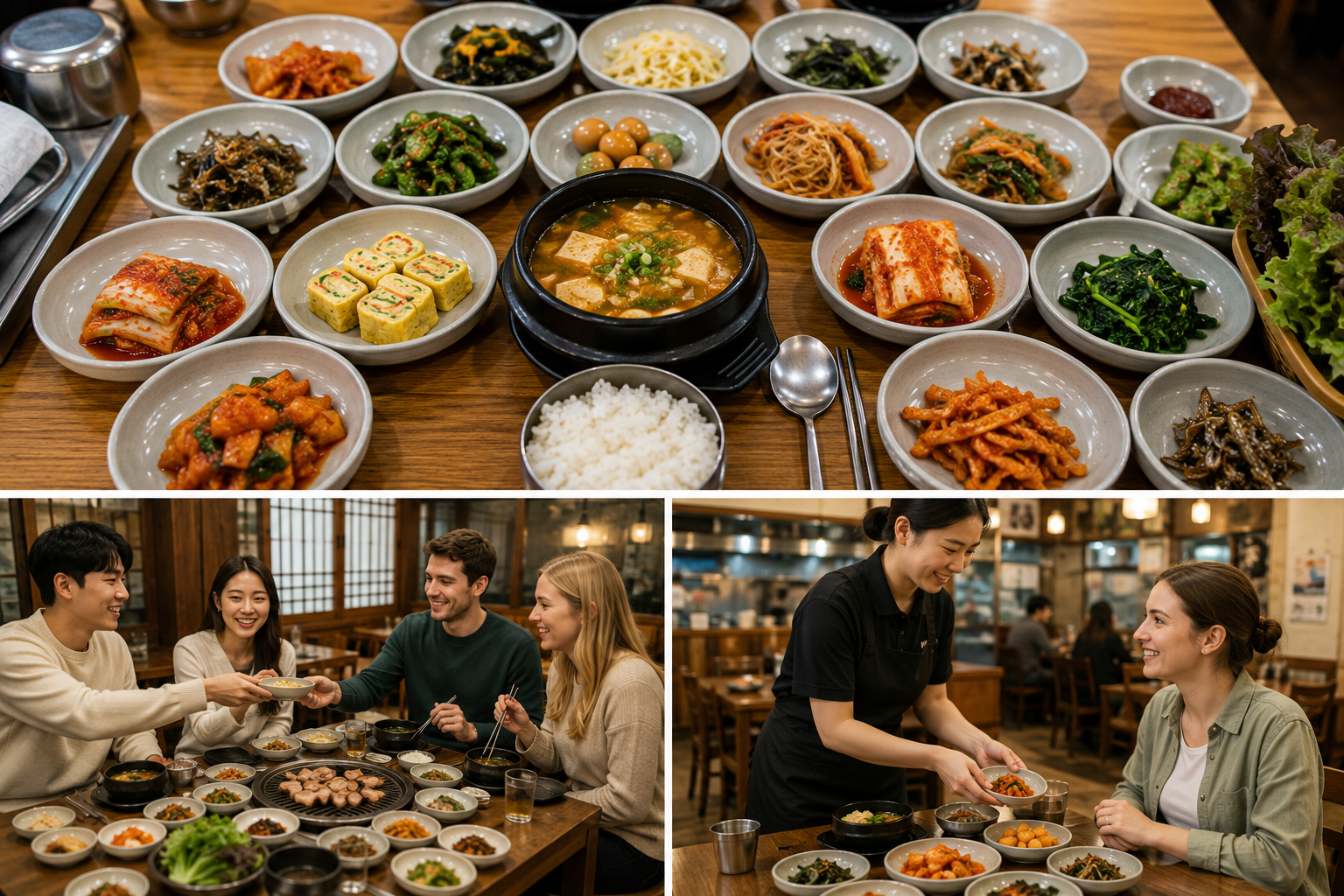
Walk into a Korean restaurant, order one main dish, and something surprising often happens.
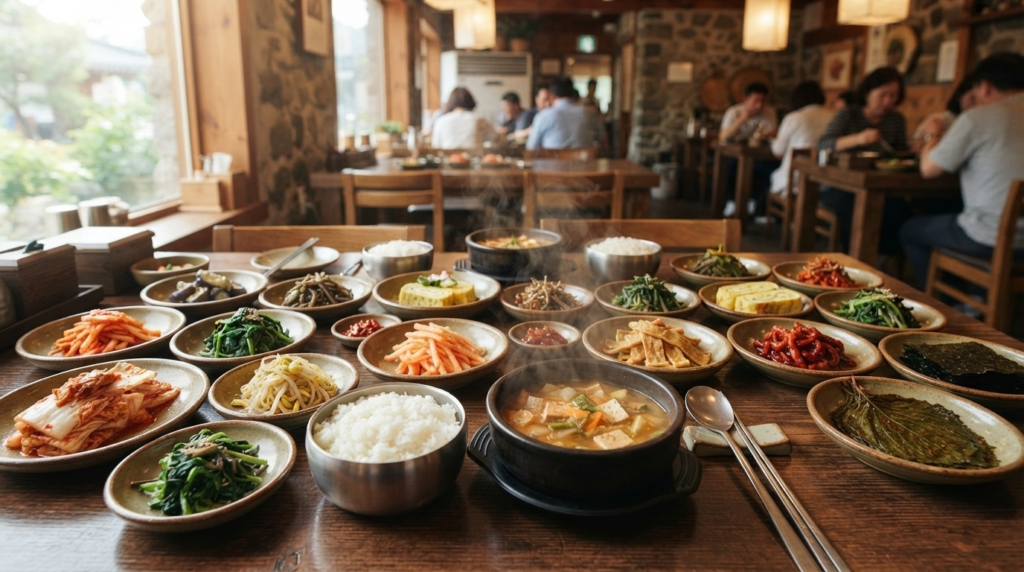
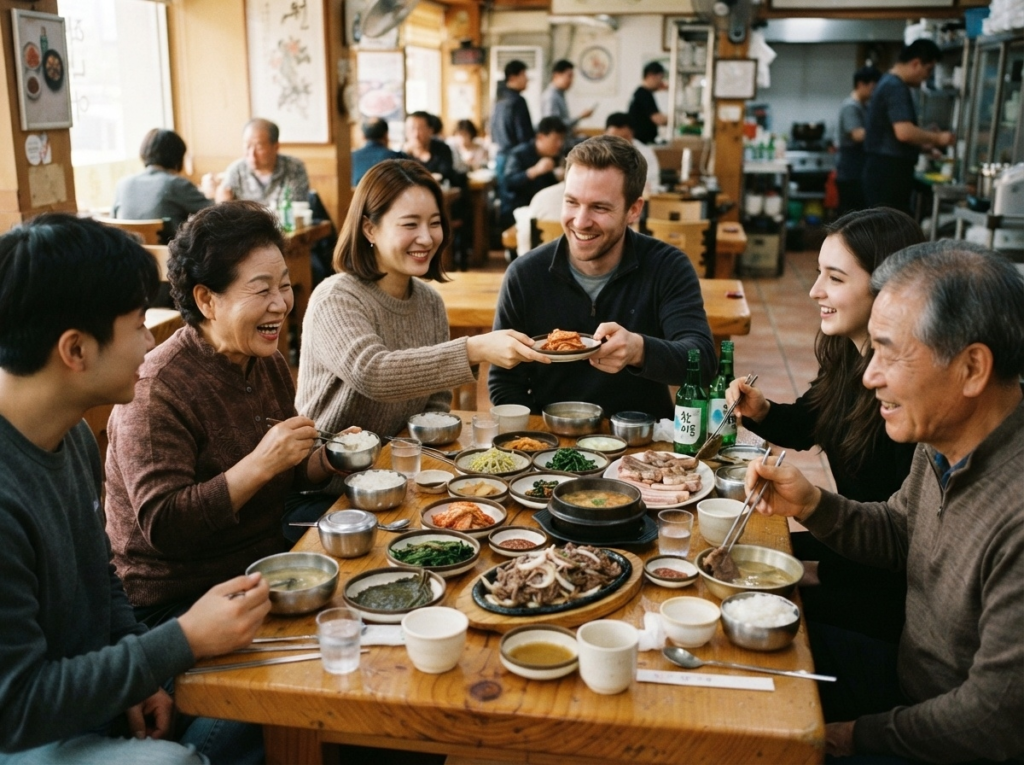
Before the food you ordered even arrives, the table begins to fill with small plates. There may be kimchi, seasoned spinach, pickled radish, stir-fried fish cake, bean sprouts, rolled omelet, or other colorful dishes. Just when you think the meal is complete, a server may bring another plate—or refill one that has already been emptied.
For first-time visitors, Korean side dishes can feel almost endless.
These small dishes are called banchan (반찬), and they are much more than complimentary extras. They reflect Korea’s approach to hospitality, balance, shared dining, seasonality, and the idea that a meal should offer many different tastes in one sitting.
So why do Korean restaurants serve so many side dishes? And are banchan really free?
Let’s look beyond the plates and discover the cultural story behind one of the most memorable parts of Korean dining.
What Are Korean Side Dishes?
Banchan refers to the small dishes served alongside rice and a main meal in Korean cuisine.
A Korean table is traditionally built around bap (밥), meaning cooked rice, and a collection of dishes that complement it. These may include vegetables, fermented foods, seafood, eggs, tofu, meat, or preserved ingredients.
Common types of Korean side dishes include:
- Kimchi (김치): Fermented vegetables, most commonly napa cabbage or radish
- Namul (나물): Seasoned vegetable dishes such as spinach or bean sprouts
- Jorim (조림): Ingredients simmered in a seasoned sauce
- Bokkeum (볶음): Stir-fried dishes such as fish cake or anchovies
- Jeon (전): Pan-fried vegetable, seafood, or meat pancakes
- Jangajji (장아찌): Vegetables pickled in soy sauce, vinegar, or fermented seasoning
Not every restaurant serves the same dishes. The selection depends on the restaurant, region, season, price level, and type of main dish ordered.
A barbecue restaurant may serve lettuce, garlic, pickled radish, and scallion salad. A seafood restaurant might offer seaweed, marinated vegetables, or small portions of fish. A simple soup restaurant may serve only kimchi and one or two additional side dishes.
Banchan are not a fixed menu. They are a flexible part of the Korean meal.
Why Do Korean Restaurants Serve So Many Side Dishes?
The simplest answer is that Korean meals are designed around variety and balance.
Instead of placing one large dish in front of each person, Korean dining often presents several dishes in the middle of the table. Everyone can take a little from each plate while eating rice and the main dish.
This creates a meal with contrasting flavors and textures:
- Spicy kimchi
- Mild vegetables
- Salty pickles
- Sweet soy-seasoned dishes
- Crispy pancakes
- Soft tofu
- Fresh lettuce
- Rich grilled meat
The goal is not necessarily to eat a large amount of every dish. The experience comes from combining small amounts of different foods.
One bite may include rice and kimchi. The next may include grilled meat wrapped in lettuce. Another may combine soup, vegetables, and a spoonful of rice.
Korean meals are often enjoyed through these changing combinations rather than through one single dominant flavor.
Banchan and the Korean Culture of Sharing
Korean side dishes are closely connected to communal dining.
Traditionally, many dishes are placed at the center of the table and shared by everyone. This differs from dining cultures where each person receives a completely separate plate.
Sharing banchan naturally creates interaction.
Someone may move a popular dish closer to another person. A parent may place food on a child’s plate. Friends may recommend which side dish tastes best with the meat. Diners may ask for another serving because everyone enjoyed the same dish.
The table becomes a shared space rather than a collection of individual meals.
This is one reason Korean dining can feel highly social. Eating is not only about satisfying hunger. It is also about spending time together, sharing reactions, and building relationships around the table.
Are Korean Side Dishes Really Free?
International visitors often describe banchan as “free side dishes,” but the reality is more nuanced.
Most Korean restaurants do not charge separately for standard banchan. The side dishes are generally included as part of the overall meal and restaurant service.
However, this does not mean they have no cost. The restaurant must still purchase ingredients, prepare the dishes, pay staff, store the food, and manage waste. Those expenses are reflected indirectly in the price of the main dishes.
It is more accurate to say that standard banchan are included with the meal, rather than completely free.
Premium items may not be refillable. For example, a restaurant may charge extra for certain meat dishes, seafood, specialty pancakes, or large portions of popular side dishes.
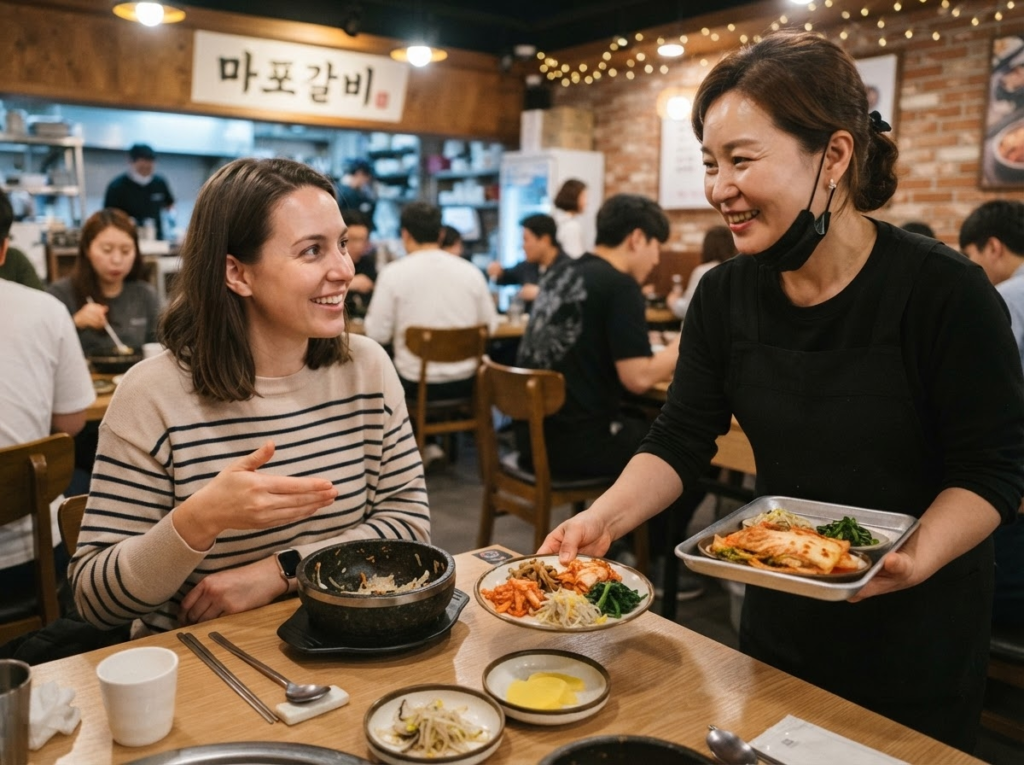
The refill policy also depends on the restaurant. Kimchi and simple vegetable dishes are often replenished upon request, while expensive ingredients may be limited.
When uncertain, politely ask the staff rather than assuming every plate can be refilled without charge.
Why Are Banchan Often Refillable?
Refilling basic side dishes is a common expression of Korean restaurant hospitality.
A small first serving allows diners to sample several dishes without creating too much waste. When customers finish something they particularly enjoy, they can ask for more.
This system works especially well for inexpensive and frequently prepared items such as:
- Kimchi
- Bean sprouts
- Pickled radish
- Seasoned spinach
- Lettuce
- Simple salads
Restaurants may intentionally provide modest portions because different customers have different preferences. One table may love kimchi, while another may barely touch it.
Smaller servings followed by optional refills allow the restaurant to offer variety while managing food waste.
Still, diners should request reasonable amounts. Asking for repeated refills and leaving the food unfinished may be considered wasteful.
The Historical Roots of Korean Side Dishes
The culture of serving multiple dishes has deep roots in Korean history.
Traditional Korean meals were organized around rice, soup, and accompanying dishes. The number and variety of dishes differed depending on household resources, social position, region, season, and occasion.
Royal and aristocratic tables could feature an extraordinary range of carefully prepared foods. Ordinary households served simpler meals based on ingredients that were locally available and affordable.
Preservation was especially important.
Before modern refrigeration, Korean families relied on fermentation, drying, salting, pickling, and simmering to preserve food through changing seasons. Kimchi, salted seafood, dried vegetables, soy sauce pickles, and fermented pastes allowed ingredients to remain available for longer periods.
These preservation methods helped create the diversity of flavors found on the Korean table today.
Banchan therefore developed not simply as decoration, but as a practical way to use seasonal ingredients, preserve food, and create balanced meals throughout the year.
Seasonality Is Hidden in the Small Plates
One of the most interesting aspects of banchan is that they can quietly reflect the season.
Spring may bring young greens and wild vegetables. Summer tables may include refreshing cucumber dishes or cold pickles. Autumn offers mushrooms, roots, and freshly harvested ingredients. Winter is strongly associated with preserved vegetables and kimchi.
Modern restaurants can source ingredients throughout the year, so seasonality is less obvious than it once was. Still, traditional restaurants and home-cooked meals often change their side dishes according to what is fresh and available.
This means the small dishes on the table can tell you something about Korea’s agricultural rhythms and local food traditions.
Why Does Every Restaurant Serve Different Banchan?
There is no universal banchan set.
Each restaurant develops its own selection based on cost, kitchen capacity, brand identity, local preferences, and the food being served.
Some restaurants become famous because their side dishes are unusually generous or carefully prepared. In certain places, customers return as much for the banchan as for the main dish.
Regional differences also matter.
Coastal areas may serve more seafood-based side dishes. Agricultural regions may emphasize local vegetables. Restaurants in Jeolla Province are particularly known for tables filled with numerous dishes, although the exact experience varies by establishment.
Family recipes also influence banchan. A simple plate of seasoned vegetables may taste completely different depending on the type of soy sauce, sesame oil, chili powder, vinegar, or fermentation method used.
Small dishes leave plenty of room for regional and personal identity.
How Should International Visitors Eat Banchan?
There is no required order.
You can taste different side dishes while eating rice, soup, noodles, barbecue, or another main dish. Some banchan are intended to refresh the palate, while others add seasoning, texture, or richness.
A few practical guidelines can make the experience easier:
Use the serving utensils when provided
Some restaurants provide separate utensils for shared dishes. Use them rather than placing personal utensils directly into communal plates.
Take small portions first
Try a little of each dish before deciding what you like. You can always take more later.
Combine flavors
Try kimchi with rice, pickled radish with grilled meat, or seasoned vegetables with soup. Korean food is often designed to be enjoyed through combinations.
Ask for refills politely
A useful phrase is “반찬 좀 더 주세요”, meaning “Could we have some more side dishes, please?”
Do not feel pressured to finish everything
You do not have to enjoy every dish. However, avoid requesting large refills that you are unlikely to finish.
Banchan Are Small Dishes with a Big Cultural Meaning
Korean side dishes may appear to be a collection of small plates, but together they tell a much larger story.
They show how Korean cuisine values contrast and balance. They reflect centuries of fermentation and food preservation. They support a shared style of dining in which people eat from the same table. They also express hospitality by making even a simple meal feel abundant.
The next time a Korean restaurant table begins to fill with colorful side dishes, look beyond the number of plates.
Each one may represent a different ingredient, cooking method, season, region, or family tradition.
That is why Korean side dishes never seem to end.
It is not simply because Korean restaurants want to serve more food. It is because one Korean meal can contain many small stories—and each banchan adds another chapter.
Learn 5 Korean Words
| English | Korean | Pronunciation | Chinese | Spanish |
|---|---|---|---|---|
| Side dish | 반찬 | ban-chan | 小菜 / 配菜 | Guarnición |
| Rice | 밥 | bap | 米饭 | Arroz |
| Kimchi | 김치 | gim-chi | 泡菜 | Kimchi |
| Refill | 리필 | ri-pil | 续添 / 续加 | Reposición |
| To share food | 나눠 먹다 | na-nwo meok-da | 分享食物 | Compartir comida |
Korean Phrase of the Day
반찬 좀 더 주세요.
Pronunciation: Ban-chan jom deo ju-se-yo.
English: Could we have some more side dishes, please?
Chinese: 请再给我们一些小菜。
Spanish: ¿Podría traernos un poco más de guarniciones, por favor?
This is a polite and practical phrase to use when you would like another serving of refillable banchan.
Did You Know?
Banchan are often described as “free,” but they are more accurately included in the meal price.
Restaurants still pay for ingredients, preparation, labor, storage, and food waste. The cost is usually built into the price of the main menu items rather than listed separately.
This explains why simple side dishes may be refillable while premium seafood, meat, or specialty dishes may cost extra.
Hidden Story: Why Small Dishes Became So Important
The variety of Korean side dishes is closely connected to Korea’s four distinct seasons and its long history of food preservation.
Before refrigerators became common, families needed ways to keep vegetables, seafood, and other ingredients edible through cold winters and periods when fresh produce was limited.
They developed techniques such as:
- Fermentation
- Salting
- Drying
- Pickling
- Simmering in soy-based sauces
These methods produced foods with very different flavors and textures. Instead of serving just one preserved item, families could place several small portions on the table.
Over time, practical preservation methods became an important part of Korean culinary identity.
The abundance of banchan therefore did not begin simply as restaurant generosity. It grew from the need to preserve seasonal food, avoid waste, create variety, and feed a household throughout the year.
Naru’s Travel Tips
1. Do not assume every side dish is unlimited
Kimchi, pickled radish, bean sprouts, and simple vegetables are often refillable. Premium seafood, meat, eggs, and specialty dishes may not be.
2. Ask for one refill at a time
Small portions help reduce food waste. Order more only after your table has finished the first serving.
3. Look for regional banchan
When traveling outside Seoul, notice how side dishes change. Coastal cities may serve more seafood, while farming regions may highlight local vegetables.
4. Try a Korean set-meal restaurant
Search for 한정식 (hanjeongsik) or 백반 (baekban) restaurants to experience a meal built around rice, soup, and multiple side dishes.
- Hanjeongsik: A more formal Korean set meal, often featuring many carefully arranged dishes
- Baekban: A simpler and more affordable home-style meal with rice, soup, and everyday banchan
5. Observe before adding sauces
Some side dishes are already strongly seasoned. Taste them before adding soy sauce, salt, or chili paste.
Today’s Question
Which Korean side dish would you refill first: kimchi, seasoned spinach, pickled radish, fish cake, or rolled omelet?
Share your choice in the comments and tell us whether your country has a similar culture of sharing small dishes.
Naru Quote
“Sometimes the smallest dishes tell the biggest stories.”
— Naru
SEO FAQ
What are Korean side dishes called?
Korean side dishes are called banchan (반찬). They are small dishes served alongside rice, soup, barbecue, or other main dishes.
Why do Korean restaurants serve so many side dishes?
Korean meals traditionally emphasize variety, balance, seasonality, and shared dining. Multiple side dishes allow diners to enjoy different flavors, ingredients, and textures during one meal.
Are Korean side dishes free?
Standard banchan are usually included with the meal and are not charged separately. However, their cost is indirectly included in menu prices, and premium dishes may require an additional payment.
Can you ask for more banchan in Korea?
Many Korean restaurants will refill basic side dishes such as kimchi, pickled radish, or bean sprouts. Refill policies vary, so it is best to ask politely.
How do you ask for more side dishes in Korean?
Say:
반찬 좀 더 주세요.
Ban-chan jom deo ju-se-yo.
It means, “Could we have some more side dishes, please?”
Is kimchi considered banchan?
Yes. Kimchi is one of Korea’s most common banchan, although the type of kimchi may vary depending on the restaurant, region, and season.
Do all Korean restaurants serve banchan?
No. The number and type of side dishes depend on the restaurant. Traditional restaurants, barbecue restaurants, and soup restaurants commonly provide banchan, while cafés, fast-food restaurants, and some modern casual concepts may not.
What is the difference between banchan and an appetizer?
An appetizer is normally eaten before the main course. Banchan are served alongside the main meal and are eaten throughout the dining experience.
Is it rude not to finish all the banchan?
It is not necessary to finish every side dish. However, diners should avoid requesting excessive refills that they will not eat.
Where can travelers experience many Korean side dishes?
Travelers can visit a hanjeongsik restaurant for a formal set meal or a baekban restaurant for an affordable home-style meal with rice, soup, and several everyday banchan.
한국의 반찬은 왜 끝없이 나오는 것처럼 보일까?
한국 식당에 들어가 메인 메뉴 하나를 주문했는데, 주문한 음식이 나오기도 전에 테이블이 작은 접시들로 가득 차는 모습을 볼 수 있습니다.
김치, 시금치나물, 콩나물, 어묵볶음, 무절임, 계란말이 등 여러 음식이 차려집니다. 한 접시를 다 먹으면 식당 직원이 다시 채워주기도 합니다.
한국을 처음 방문한 외국인에게는 반찬이 끝없이 나오는 것처럼 느껴질 수 있습니다.
하지만 반찬은 단순히 무료로 제공되는 추가 음식이 아닙니다. 반찬에는 한국의 환대 문화, 공동 식사, 계절성, 음식 보존 방식, 그리고 한 끼 안에서 다양한 맛을 즐기는 식문화가 담겨 있습니다.
반찬이란 무엇일까?
반찬은 밥과 국, 메인 요리와 함께 먹는 작은 음식들을 의미합니다.
한국의 전통적인 식사는 밥을 중심으로 구성됩니다. 그 옆에 채소, 발효식품, 두부, 계란, 생선, 고기 등으로 만든 여러 반찬을 곁들입니다.
대표적인 반찬에는 다음과 같은 종류가 있습니다.
- 김치
- 나물
- 조림
- 볶음
- 전
- 장아찌
모든 식당이 같은 반찬을 제공하는 것은 아닙니다. 식당의 종류, 지역, 계절, 가격대와 메인 메뉴에 따라 반찬 구성이 달라집니다.
고깃집에서는 상추, 마늘, 파절이, 무절임이 나올 수 있고, 생선 요리 전문점에서는 해조류나 해산물 반찬이 제공될 수 있습니다. 국밥집에서는 김치와 깍두기처럼 비교적 단순한 반찬만 나오는 경우도 많습니다.
왜 한국 식당에서는 반찬을 많이 제공할까?
한국 식사는 다양한 맛과 영양의 균형을 중요하게 생각합니다.
각자의 큰 접시에 하나의 요리를 담아 먹는 대신, 한국에서는 여러 음식을 테이블 중앙에 놓고 함께 나누어 먹는 경우가 많습니다.
매운 김치, 담백한 나물, 짭짤한 장아찌, 달콤한 조림, 바삭한 전처럼 서로 다른 맛과 질감이 한 상에 함께 놓입니다.
모든 반찬을 많이 먹을 필요는 없습니다. 각각을 조금씩 맛보며 밥과 메인 요리에 다양하게 조합하는 것이 한국 식사의 특징입니다.
반찬과 함께 먹는 문화
반찬은 한국의 공동 식사 문화와 밀접하게 연결되어 있습니다.
여러 음식이 테이블 중앙에 놓이고, 가족이나 친구들이 같은 음식을 함께 나누어 먹습니다. 누군가는 인기 있는 반찬을 다른 사람 가까이 옮겨주고, 부모가 아이에게 음식을 덜어주기도 합니다.
따라서 한국의 식탁은 개인별 식사가 모여 있는 공간이라기보다, 하나의 음식을 함께 경험하는 공간에 가깝습니다.
반찬은 정말 무료일까?
한국 식당에서는 일반적인 반찬에 별도의 가격을 매기지 않는 경우가 많습니다. 그래서 외국인들은 이를 무료 반찬이라고 표현합니다.
하지만 반찬에도 재료비, 인건비, 보관비와 조리 비용이 들어갑니다. 이러한 비용은 보통 메인 메뉴 가격과 식당 운영비에 포함되어 있습니다.
따라서 반찬은 완전히 공짜라기보다 식사 가격에 포함된 음식이라고 이해하는 것이 더 정확합니다.
김치나 콩나물처럼 기본적인 반찬은 리필이 가능한 경우가 많지만, 고기·해산물·계란 요리 등 단가가 높은 음식은 추가 비용이 발생하거나 리필이 제한될 수 있습니다.
반찬은 왜 리필해줄까?
기본 반찬을 다시 제공하는 것은 한국 식당의 일반적인 환대 방식 중 하나입니다.
처음에는 여러 반찬을 적은 양으로 제공하고, 손님이 좋아하는 반찬만 추가로 요청하도록 하는 방식입니다. 사람마다 좋아하는 음식이 다르기 때문에 처음부터 많은 양을 제공하는 것보다 음식물 쓰레기를 줄일 수도 있습니다.
다만 먹지 못할 만큼 반복해서 리필을 요청하는 것은 피하는 것이 좋습니다.
반찬의 역사적 배경
한국의 전통 식사는 밥과 국, 그리고 여러 곁들임 음식으로 구성되어 왔습니다.
과거에는 가정의 형편, 신분, 지역, 계절과 특별한 행사 여부에 따라 반찬의 수와 종류가 달랐습니다.
특히 냉장고가 없던 시절에는 발효, 건조, 염장, 장아찌, 조림 등의 방식으로 식재료를 오래 보존해야 했습니다.
김치, 젓갈, 말린 나물, 장아찌와 장류는 계절이 바뀌어도 음식을 먹을 수 있게 해주었습니다. 이처럼 다양한 저장 방법은 오늘날 한국 반찬의 풍부한 맛과 종류를 만드는 기반이 되었습니다.
작은 접시에 담긴 계절
반찬은 계절을 보여주기도 합니다.
봄에는 어린 나물, 여름에는 오이와 시원한 절임 음식, 가을에는 버섯과 뿌리채소, 겨울에는 김치와 저장 음식이 식탁에 오릅니다.
오늘날에는 사계절 내내 다양한 재료를 구할 수 있지만, 전통 식당이나 가정식에서는 여전히 계절에 따라 반찬 구성이 달라지는 모습을 볼 수 있습니다.
외국인 여행자가 반찬을 즐기는 방법
반찬을 먹는 정해진 순서는 없습니다.
밥이나 국, 고기와 함께 조금씩 맛보면 됩니다. 먼저 적은 양을 덜어 맛보고, 마음에 드는 반찬을 다시 먹는 것이 좋습니다.
공용 집게나 숟가락이 제공되면 개인 젓가락 대신 공용 도구를 사용하세요.
반찬을 추가로 요청하고 싶을 때는 다음과 같이 말할 수 있습니다.
반찬 좀 더 주세요.
반찬은 작은 접시에 담겨 있지만, 그 안에는 계절, 지역, 가족의 조리법과 한국의 나눔 문화가 담겨 있습니다.
한국 반찬이 끝없이 나오는 것처럼 보이는 이유는 단순히 음식을 많이 제공하기 때문이 아닙니다.
한 끼의 식사 안에 여러 가지 작은 이야기를 함께 담아내기 때문입니다.
为什么韩国小菜看起来永远吃不完?
走进一家韩国餐厅,只点一道主菜,餐桌却可能在主菜上桌前就摆满了小碟子。
泡菜、凉拌菠菜、豆芽、炒鱼饼、腌萝卜和鸡蛋卷等菜品会陆续上桌。吃完其中一碟之后,服务员有时还会再次添加。
对于第一次体验韩国饮食的游客来说,韩国小菜似乎永远不会结束。
这些小菜叫作 banchan(반찬)。它们并不只是免费赠送的食物,还体现了韩国人的待客方式、共享饮食文化、季节性和追求多种味道平衡的饮食观念。
什么是韩国小菜?
Banchan指的是与米饭、汤和主菜一起食用的小份配菜。
韩国传统饮食通常以米饭为中心,并搭配用蔬菜、发酵食品、豆腐、鸡蛋、海鲜或肉类制作的多种小菜。
常见的韩国小菜包括:
- 泡菜
- 凉拌蔬菜
- 酱煮菜
- 炒菜
- 煎饼
- 酱腌蔬菜
不同餐厅提供的小菜并不相同。小菜的种类取决于餐厅类型、地区、季节、价格以及客人所点的主菜。
烤肉店通常提供生菜、大蒜、葱丝沙拉和腌萝卜。海鲜餐厅可能提供海藻或海鲜小菜。汤饭店则可能只提供泡菜和一两种简单配菜。
为什么韩国餐厅提供这么多小菜?
韩国饮食重视味道、口感和营养的多样性。
韩国人经常把几道菜放在餐桌中央,大家共同食用,而不是每个人只吃自己面前的一盘食物。
一顿饭中可能同时出现辛辣的泡菜、清淡的蔬菜、咸味腌菜、甜味酱煮食品和香脆的煎饼。
用餐者不需要大量食用每一种小菜,而是可以把少量小菜与米饭、汤或主菜搭配起来,创造不同的味道组合。
小菜与共享饮食文化
韩国小菜与共同用餐的文化密切相关。
家庭和朋友围坐在同一张餐桌旁,共享摆在中央的菜品。有人会把受欢迎的小菜移到另一位客人面前,父母也可能为孩子夹菜。
因此,韩国餐桌不仅是吃饭的地方,也是人们交流、分享和建立关系的空间。
韩国小菜真的是免费的吗?
大多数韩国餐厅不会单独收取普通小菜的费用,因此许多外国游客把它们称为“免费小菜”。
但餐厅仍然需要支付食材、人工、储存和烹饪成本。这些费用通常已经间接包含在主菜的价格之中。
所以,更准确的说法是:普通小菜是包含在整顿饭的价格中,而不是完全没有成本。
泡菜、豆芽和腌萝卜等基本小菜经常可以续加,但肉类、海鲜、鸡蛋或特色菜品可能需要另外付费。
为什么小菜可以续加?
为客人续加基本小菜,是韩国餐厅常见的待客方式。
餐厅先提供多种少量的小菜,让客人品尝。客人可以只续加自己喜欢的菜品,这也有助于减少食物浪费。
不过,最好只索取能够吃完的数量,不要多次续加后留下大量食物。
韩国小菜的历史背景
传统韩国饮食长期以来都以米饭、汤和多种配菜为基础。
过去,小菜的数量和种类会根据家庭经济状况、社会地位、地区、季节和用餐场合而变化。
在现代冰箱出现之前,人们必须通过发酵、盐腌、晒干、酱腌和炖煮来保存食物。
泡菜、腌海鲜、干菜和酱腌蔬菜让人们在不同季节都能保存和食用食材。这些传统保存方法也创造了今天韩国小菜丰富多样的味道。
小碟子里的季节
韩国小菜还能够反映季节变化。
春天常见嫩叶和野菜,夏天有黄瓜和清爽腌菜,秋天有蘑菇和根茎类蔬菜,冬天则以泡菜和储存食品为主。
虽然现代餐厅全年都能购买多种食材,但传统餐厅和家庭料理仍然可能根据季节调整小菜。
游客应该怎样享用韩国小菜?
韩国小菜没有固定的食用顺序。
可以先少量品尝,再把喜欢的小菜与米饭、汤或烤肉搭配。若餐厅提供公用餐具,应使用公用餐具夹取共享菜品。
想要再加一些小菜时,可以说:
반찬 좀 더 주세요.
意思是:“请再给我们一些小菜。”
韩国小菜虽然装在小小的碟子里,却包含了韩国的季节、地区、家庭食谱和共享文化。
它们看起来永远吃不完,并不只是因为餐厅提供了很多食物。
而是因为每一顿韩国饭中,都可以容纳许多不同的小故事。
¿Por qué las guarniciones coreanas parecen no terminar nunca?
Entras en un restaurante coreano, pides un solo plato principal y, antes de que llegue tu pedido, la mesa empieza a llenarse de pequeños platos.
Puede haber kimchi, espinacas sazonadas, brotes de soja, pastel de pescado salteado, rábano encurtido o tortilla enrollada. Cuando terminas uno de los platos, el personal del restaurante puede volver a llenarlo.
Para quienes visitan Corea por primera vez, las guarniciones coreanas pueden parecer interminables.
Estos pequeños platos se llaman banchan (반찬). No son simples acompañamientos gratuitos. Reflejan la hospitalidad coreana, la costumbre de compartir la comida, la importancia de las estaciones y el deseo de disfrutar muchos sabores diferentes durante una sola comida.
¿Qué es el banchan?
Banchan es el nombre que reciben los pequeños platos que acompañan al arroz, la sopa y el plato principal.
Una comida coreana tradicional suele organizarse alrededor del arroz y se complementa con verduras, alimentos fermentados, tofu, huevos, pescado, mariscos o carne.
Algunos tipos comunes de banchan son:
- Kimchi
- Verduras sazonadas
- Alimentos cocidos en salsa
- Platos salteados
- Tortitas coreanas
- Verduras encurtidas
No todos los restaurantes sirven las mismas guarniciones. La selección depende del tipo de restaurante, la región, la temporada, el precio y el plato principal.
En un restaurante de barbacoa pueden servir lechuga, ajo, ensalada de cebollín y rábano encurtido. En un restaurante de mariscos pueden aparecer algas o pequeños platos de pescado. Un restaurante de sopa puede ofrecer solamente kimchi y una o dos guarniciones sencillas.
¿Por qué sirven tantos platos pequeños?
La comida coreana valora la variedad y el equilibrio.
En lugar de servir un único plato grande a cada persona, se colocan varios alimentos en el centro de la mesa para que todos puedan compartirlos.
Una comida puede incluir kimchi picante, verduras suaves, encurtidos salados, platos dulces con salsa de soja y tortitas crujientes.
No es necesario comer una gran cantidad de cada guarnición. La idea es probar pequeñas porciones y combinarlas con arroz, sopa, carne u otros platos.
Banchan y la cultura de compartir
Las guarniciones coreanas están estrechamente relacionadas con la costumbre de comer juntos.
Las familias y los amigos comparten los platos colocados en el centro de la mesa. Una persona puede acercar un plato popular a otra, y los padres pueden servir comida a sus hijos.
Por eso, la mesa coreana es más que un lugar donde cada persona come su propia comida. Es un espacio compartido para conversar, probar sabores y fortalecer relaciones.
¿Las guarniciones son realmente gratuitas?
La mayoría de los restaurantes coreanos no cobra por separado el banchan estándar. Por esta razón, muchos visitantes las llaman “guarniciones gratuitas”.
Sin embargo, el restaurante debe pagar los ingredientes, la preparación, el personal y el almacenamiento. Estos costes suelen estar incluidos indirectamente en el precio de los platos principales.
Es más preciso decir que las guarniciones están incluidas en la comida.
El kimchi, los brotes de soja y el rábano encurtido suelen poder reponerse. Los platos con carne, mariscos, huevos o ingredientes más caros pueden tener un coste adicional.
¿Por qué permiten pedir más?
Reponer las guarniciones básicas es una forma común de hospitalidad en los restaurantes coreanos.
Al principio se sirven pequeñas cantidades de muchos platos. Los clientes pueden probarlos y pedir más únicamente de los que les gusten.
Este sistema también ayuda a reducir el desperdicio de alimentos, porque no todos los clientes prefieren las mismas guarniciones.
Aun así, es recomendable pedir solamente la cantidad que se podrá terminar.
Las raíces históricas del banchan
Las comidas tradicionales coreanas se han organizado durante siglos alrededor del arroz, la sopa y varios acompañamientos.
En el pasado, la cantidad y el tipo de guarniciones dependían de los recursos de la familia, la posición social, la región, la estación y la ocasión.
Antes de la refrigeración moderna, las familias conservaban los alimentos mediante la fermentación, el secado, la salazón, el encurtido y la cocción en salsa.
El kimchi, los mariscos salados, las verduras secas y los encurtidos permitían guardar ingredientes durante largos periodos. Estas técnicas de conservación ayudaron a crear la gran diversidad de sabores que encontramos hoy en la mesa coreana.
Las estaciones en pequeños platos
El banchan también puede reflejar las estaciones.
En primavera se sirven verduras jóvenes y plantas silvestres. En verano aparecen platos refrescantes de pepino y encurtidos fríos. En otoño se utilizan setas y raíces. En invierno son comunes el kimchi y los alimentos conservados.
Aunque los restaurantes modernos pueden comprar ingredientes durante todo el año, las comidas tradicionales todavía cambian según la temporada.
¿Cómo deberían comer banchan los visitantes?
No existe un orden obligatorio.
Prueba pequeñas porciones y combínalas con arroz, sopa, barbacoa u otro plato principal. Utiliza los utensilios de servicio cuando estén disponibles.
Para pedir más guarniciones, puedes decir:
반찬 좀 더 주세요.
Significa: “¿Podría traernos un poco más de guarniciones, por favor?”
Las guarniciones coreanas pueden ser pequeñas, pero contienen historias sobre las estaciones, las regiones, las recetas familiares y la cultura de compartir.
Por eso parecen no terminar nunca.
No se trata únicamente de servir más comida. Se trata de reunir muchas pequeñas historias en una sola mesa.