
Why Korea Has So Many Mountain Temples
Travel through Korea, and you may notice something unusual.
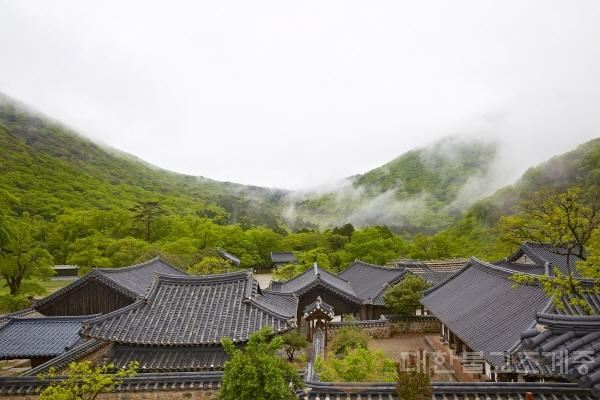
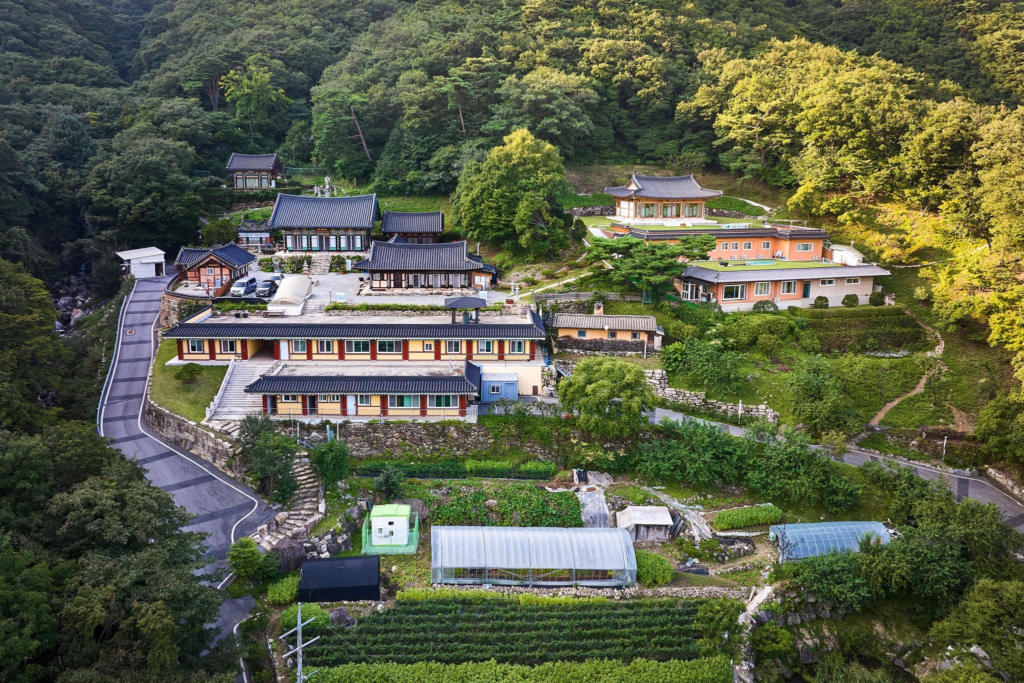
Some of the country’s most beautiful Buddhist temples are not located in busy city centers. Instead, they appear beneath forested peaks, beside mountain streams, or at the end of quiet paths surrounded by pine trees.
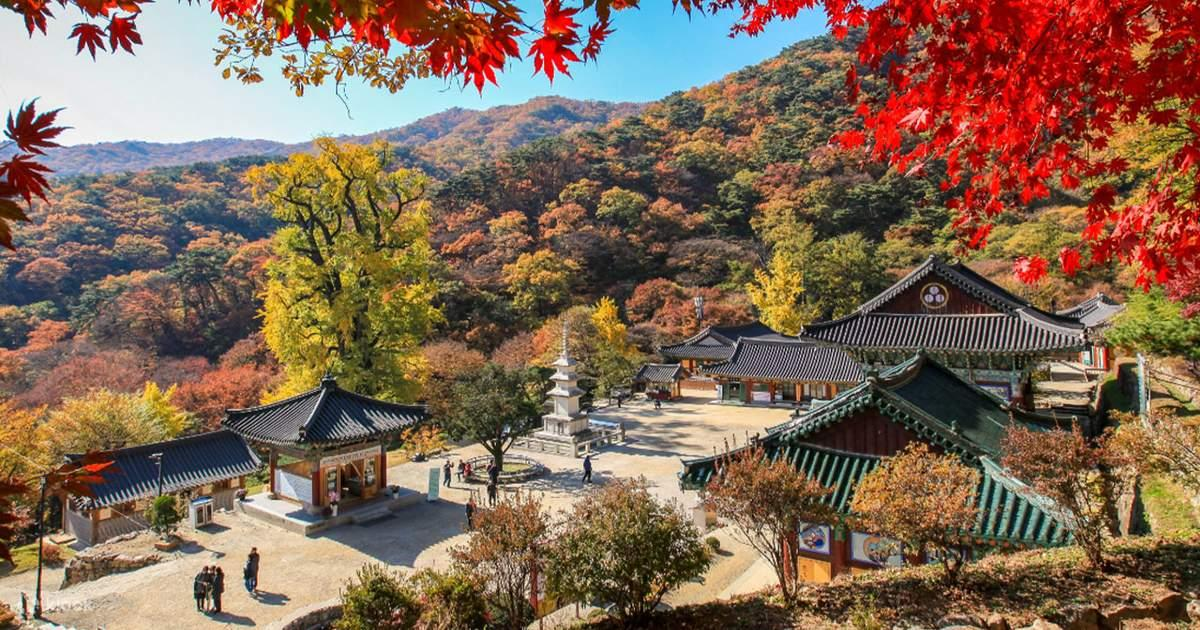
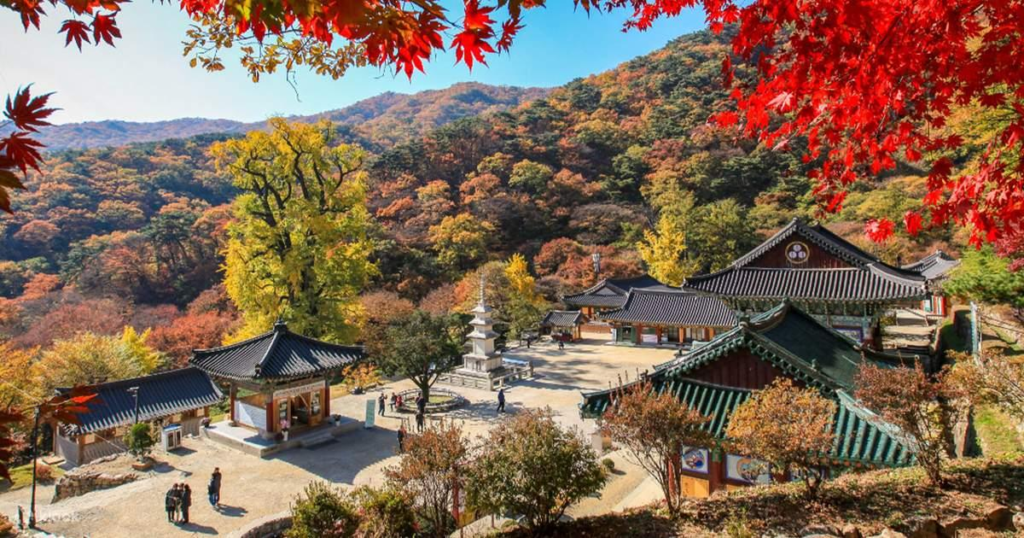
Visitors often discover them while hiking. A colorful temple gate suddenly appears between the trees. Beyond it are wooden halls, stone pagodas, monks’ living quarters, and courtyards framed by mountains.
Why were so many Korean temples built in such remote places?
The answer is not simply that mountains were peaceful. Korea’s mountain temples were shaped by geography, Buddhist practice, older beliefs about sacred nature, political change, and the need for monastic communities to survive independently.
Together, these factors created sansa (산사)—Korea’s distinctive Buddhist mountain monasteries.
Korea Is a Mountainous Country
The most practical explanation begins with geography.
Approximately 75 percent of the Korean Peninsula is mountainous, while large areas of flat land are relatively limited. Mountains are therefore not distant wilderness areas in Korea. They are a constant part of the landscape and are often close to towns and cities.
Because mountains were everywhere, they naturally became important places for religion, meditation, defense, farming, and community life.
A temple located in the mountains could feel secluded without being completely disconnected from society. Monks could practice in a quiet environment while remaining close enough to nearby villages to receive visitors, donations, and supplies.
This balance between separation and accessibility became one of the defining characteristics of Korean mountain temples.
Mountains Offered the Quiet Needed for Buddhist Practice
Buddhist monastic life traditionally values concentration, discipline, meditation, and freedom from everyday distractions.
Mountain valleys offered an ideal setting for this kind of practice.
The sound of flowing water could replace the noise of markets. Forest paths provided spaces for walking meditation. Remote hermitages allowed monks to study and meditate for long periods.
Mountains also created a physical sense of leaving ordinary life behind.
Visitors had to pass through gates, cross bridges, and walk uphill before reaching the main worship halls. The journey itself could become part of the spiritual experience.
Even today, reaching a mountain temple often feels different from entering a city building. As the road becomes narrower and the sounds of traffic disappear, visitors naturally slow down.
Mountains Were Sacred Before Buddhism Arrived
Korea’s relationship with mountains did not begin with Buddhism.
Mountains were traditionally understood as places containing powerful spiritual energy. Communities worshipped mountain spirits and performed rituals connected to protection, prosperity, weather, and the well-being of the nation.
The Korea Tourism Organization notes that people historically believed mountains embodied sacred energy, encouraging the construction of temples and pagodas where prayers could be offered for national prosperity.
When Buddhism spread across the Korean Peninsula, it did not always replace these older beliefs. In many cases, Buddhist traditions adapted to them.
This cultural blending can still be seen in some temple complexes. A Korean Buddhist temple may include a small shrine dedicated to the mountain spirit, known as Sansin (산신).
This is one reason Korean mountain temples feel deeply connected to the surrounding landscape. The mountain is not merely scenery behind the temple. It is part of the sacred environment.
A Korean Mountain Temple Was More Than a Prayer Hall
A large Korean mountain temple was not simply one building where people came to worship.
It operated as an entire community.
Temple grounds could include:
- Buddha halls and shrines
- Meditation spaces
- Lecture halls
- Monks’ dormitories
- Kitchens and dining areas
- Storage buildings
- Gardens and farmland
- Smaller hermitages deeper in the mountains
UNESCO describes Korea’s historic mountain monasteries as living centers of religious belief, spiritual practice, monastic education, and daily community life. Their traditions combined meditation, doctrinal study, worship, and self-sufficient temple management.
The mountain environment helped make this possible.
Forests provided timber and fuel. Streams supplied water. Nearby land could be used to grow vegetables, herbs, and grains. Remote areas gave monastic communities enough space to live, study, and work together.
The temple was therefore both a sacred place and a functioning settlement.
Political History Also Pushed Buddhism Toward the Mountains
Geography and spirituality explain only part of the story.
Buddhism received strong royal support during periods such as the Three Kingdoms and Goryeo eras. Temples played important roles in education, art, state ceremonies, and political life.
The situation changed during the Joseon Dynasty, when the government promoted Neo-Confucianism and restricted Buddhist institutions.
It would be inaccurate to say that all Korean temples were moved into the mountains during this period. Many important mountain monasteries had already existed for centuries.
However, reduced political influence and restrictions on Buddhism made remote temples especially important. Mountain monasteries provided places where Buddhist teachings, rituals, communities, buildings, and cultural objects could continue despite suppression and later damage from wars.
Their isolation sometimes helped protect traditions that might otherwise have disappeared.
This history is one reason Korean mountain temples often feel like cultural time capsules. They preserve architecture, paintings, statues, documents, rituals, and ways of life developed over many centuries.
The Architecture Follows the Mountain
Korean mountain temples rarely dominate the landscape with strict symmetry or enormous straight avenues.
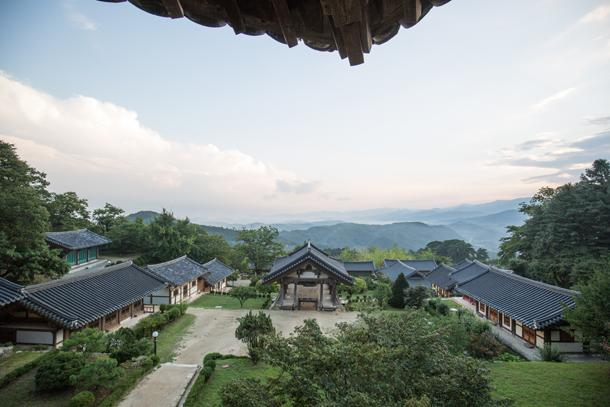
Instead, the buildings often adjust to the valley, slope, stream, and natural direction of the land.
A path may curve around a hill. One courtyard may sit higher than another. A gate may frame a distant mountain peak. A stream may divide the temple into separate areas.
Korea Heritage Service explains that mountain temples use peaks, valleys, streams, and existing topography to organize spaces for worship, education, meditation, and daily living.
This creates an architectural experience that unfolds gradually.
Visitors do not always see the entire temple at once. They pass through a sequence of gates and courtyards, discovering each building step by step.
The result is a sense of harmony rather than conquest.
The temple does not appear to have defeated the mountain. It seems to have found a place within it.
Why So Many Historic Temples Survived
Mountain locations brought difficulties. Temples were vulnerable to fire, war, severe weather, and limited transportation.
Yet their remote settings also offered protection.
Being far from major political and commercial centers sometimes reduced the pressure for redevelopment. Buildings could be repaired using traditional methods, and religious activities could continue across generations.
Seven Korean mountain monasteries—Tongdosa, Buseoksa, Bongjeongsa, Beopjusa, Magoksa, Seonamsa, and Daeheungsa—were inscribed on the UNESCO World Heritage List in 2018 as “Sansa, Buddhist Mountain Monasteries in Korea.” Many were founded between the seventh and ninth centuries and continue to function as active religious communities.
Their importance comes not only from old buildings.
They remain places where monks study, meditate, conduct ceremonies, manage the temple, and maintain traditions. They are living heritage rather than abandoned monuments.
Famous Mountain Temples to Visit in Korea
Bulguksa Temple, Gyeongju
Bulguksa sits on Tohamsan Mountain near Gyeongju, the former capital of the Silla Kingdom.
Its major construction began in 751 and was completed in 774. Although many buildings were destroyed during the Japanese invasions of the sixteenth century, the complex was later restored and remains one of Korea’s best-known Buddhist heritage sites.
It is a strong choice for travelers interested in Buddhist art, stone pagodas, and Silla history.
Beopjusa Temple, Songnisan
Beopjusa is located within the forested landscape of Songnisan Mountain.
The temple traces its foundation to 553 and contains numerous cultural properties, including Palsangjeon, a rare historic wooden pagoda. It also operates programs through which visitors can experience meditation, Buddhist ceremonies, and temple life.
Buseoksa Temple, Yeongju
Buseoksa is admired for the way its buildings rise gradually along the mountain slope.
From the upper courtyards, visitors can see layers of mountains extending into the distance. The view is not separate from the architecture—it is part of the temple experience.
Tongdosa Temple, Yangsan
Tongdosa is one of Korea’s most important Buddhist temples and is known for enshrining relics associated with the Buddha.
Its long, forested entrance road allows visitors to experience a gradual transition from the outside world into the temple grounds.
Seonamsa Temple, Suncheon
Seonamsa is known for its forest paths, traditional bridge, streams, and buildings that feel closely integrated with the valley.
Its layout developed over centuries, creating an atmosphere closer to a quiet mountain village than a single monumental complex.
Daeheungsa Temple, Haenam
Daeheungsa sits within Duryunsan Mountain and is connected to Korean Buddhist practice, monk soldiers, and traditional tea culture.
It was included among the seven UNESCO-listed Sansa in 2018 and continues to host visitors interested in meditation, tea, and temple life.
What Is a Korean Temple Stay?
A Templestay allows visitors to spend time inside a Buddhist temple and experience aspects of monastic life.
Programs vary by temple, but activities may include:
- Meditation
- Morning or evening Buddhist ceremonies
- Tea conversations with monks
- Forest walks
- Temple meals
- Cultural activities
- Periods of quiet reflection
Participants do not generally need to be Buddhist. The programs are designed for people who want to learn about Korean Buddhist culture, rest in nature, or step away from a busy daily routine.
A temple stay is one of the best ways to understand why the mountain setting matters.
During a short daytime visit, the temple may feel like a beautiful historic attraction. After sunset, when the tourists leave and the mountain becomes quiet, it begins to feel like a living spiritual community.
More Than a Beautiful Background
Korea’s mountain temples were not built in the mountains simply because the scenery was attractive.
The mountains provided isolation for meditation, water and land for community life, protection during political change, and a sacred landscape that connected Buddhism with older Korean beliefs.
Over centuries, the temples and mountains shaped one another.
Paths followed streams. Buildings faced peaks. Monks cultivated the land. Villagers visited for ceremonies. Travelers climbed into the forest searching for rest, wisdom, or beauty.
That relationship continues today.
When you visit a Korean mountain temple, do not look only at the colorful buildings.
Listen to the stream. Notice the direction of the gates. Look at how the roofs sit beneath the peaks. Pay attention to the distance you traveled from the city.
The mountain is not merely where the temple happens to stand.
The mountain is part of the temple.
Learn 5 Korean Words
| English | Korean | Pronunciation | Chinese | Spanish |
|---|---|---|---|---|
| Temple | 절 | jeol | 寺庙 | Templo |
| Mountain | 산 | san | 山 | Montaña |
| Buddhist monk | 스님 | seu-nim | 僧人 / 师父 | Monje budista |
| Meditation | 명상 | myeong-sang | 冥想 | Meditación |
| Temple stay | 템플스테이 | tem-peul-seu-te-i | 寺院体验 | Estancia en un templo |
Korean Phrase of the Day
사진을 찍어도 돼요?
Pronunciation: Sa-jin-eul jjik-eo-do dwae-yo?
English: May I take a photo?
Chinese: 我可以拍照吗?
Spanish: ¿Puedo tomar una foto?
This is useful because photography may be restricted inside certain worship halls or near religious ceremonies.
Did You Know?
Seven Korean mountain monasteries were collectively added to the UNESCO World Heritage List in 2018.
What makes them special is not merely their age. They remain active monasteries where worship, meditation, education, and everyday monastic life continue.
The UNESCO-listed temples are:
- Tongdosa
- Buseoksa
- Bongjeongsa
- Beopjusa
- Magoksa
- Seonamsa
- Daeheungsa
Hidden Story: Were Korean Temples Forced into the Mountains?
A common explanation says Korean Buddhism moved into the mountains because the Joseon Dynasty suppressed it.
This is partly true, but incomplete.
Many mountain temples had already been established centuries before Joseon. Mountains were chosen because they offered sacred landscapes, quiet places for meditation, natural resources, and enough space for monastic communities.
Joseon-era restrictions did not create Korea’s mountain temple tradition. Instead, they made existing mountain monasteries even more important.
Far from political centers, these temples became places where Buddhist practice, art, documents, education, and community life could survive.
The real story is therefore not that Buddhism suddenly escaped into the mountains.
It is that the mountains had long supported Korean Buddhism—and later helped protect it.
Naru’s Travel Tips
1. Visit early in the morning
Large temples can become busy later in the day. Early morning offers quieter courtyards, softer light, and a better chance to hear bells or chanting.
2. Wear clothing suitable for both hiking and worship
Many temples require walking on sloped or uneven paths. Wear comfortable shoes and clothing that covers the shoulders and upper legs when entering religious spaces.
3. Check before taking photographs
Outdoor photography is usually acceptable, but some halls, statues, ceremonies, and monks should not be photographed without permission.
Use:
사진을 찍어도 돼요?
“May I take a photo?”
4. Speak quietly
A temple is not only a tourist attraction. Monks and visitors may be praying, meditating, or studying.
5. Do not enter restricted buildings
Some areas are reserved for monks, residents, or religious practice. Follow signs and closed doors.
6. Try a Templestay
Choose a relaxation-style program for quiet rest or an experience-style program for meditation, ceremonies, temple food, and cultural activities.
7. Match the temple to the season
- Spring: Blossoms and fresh green forests
- Summer: Deep greenery and mountain streams
- Autumn: Red and gold foliage
- Winter: Snow, silence, and fewer visitors
8. Allow time for the entrance path
The forest road or trail leading to the temple is often part of the experience. Avoid scheduling the visit so tightly that you must rush directly to the main hall.
Today’s Question
Would you prefer to visit a Korean mountain temple for its history, natural scenery, or a quiet meditation experience?
Share which part interests you most and whether your country also has sacred places hidden in the mountains.
Naru Quote
“Some temples are built on mountains. Others seem to have grown from them.”
— Naru
SEO FAQ
Why are so many Korean temples located in the mountains?
Korean temples were built in mountain areas because the landscape offered quiet conditions for meditation, natural resources for monastic life, spiritual significance, and some protection from political conflict and urban development.
What are Korean mountain temples called?
They are often called sansa (산사), meaning Buddhist mountain monasteries or temples located in mountain settings.
Did Korean Buddhism move to the mountains during the Joseon Dynasty?
Joseon restrictions strengthened the importance of remote monasteries, but many major mountain temples had already existed for centuries. The tradition began before Joseon.
Are Korean mountain temples still active?
Yes. Many remain active religious communities where monks worship, meditate, study, teach, and manage temple life.
Which Korean mountain temples are UNESCO World Heritage Sites?
The seven UNESCO-listed Sansa are Tongdosa, Buseoksa, Bongjeongsa, Beopjusa, Magoksa, Seonamsa, and Daeheungsa.
Can non-Buddhists visit Korean temples?
Yes. Most major temples welcome respectful visitors, although access to certain halls or monastic areas may be restricted.
What happens during a Korean Templestay?
Depending on the program, participants may join meditation, Buddhist ceremonies, temple meals, tea conversations, forest walks, and cultural activities.
Is photography allowed in Korean temples?
Photography is commonly allowed outdoors, but it may be restricted inside worship halls or during ceremonies. Visitors should check signs or ask permission.
What should visitors wear to a Korean temple?
Wear comfortable walking shoes and modest clothing suitable for a religious setting. Shoulders and upper legs should generally be covered.
What is the best season to visit a Korean mountain temple?
Spring and autumn are popular for blossoms and foliage. Summer offers green forests, while winter provides a quieter atmosphere and occasional snow scenery.
한국어 번역
한국에는 왜 산속 사찰이 많을까?
한국을 여행하다 보면 많은 불교 사찰이 번화한 도심이 아니라 산과 계곡, 숲속에 자리 잡고 있다는 사실을 발견하게 됩니다.
등산로를 걷다가 나무 사이로 일주문이 나타나고, 그 너머로 법당과 탑, 승려들의 생활 공간이 펼쳐지는 경우도 많습니다.
한국의 사찰은 왜 이렇게 산속에 많이 세워졌을까요?
단순히 산이 조용했기 때문만은 아닙니다. 한국의 산사는 지형, 불교 수행, 산을 신성하게 바라본 전통적 믿음, 정치적 변화와 사찰 공동체의 생활 방식이 함께 만들어낸 결과입니다.
산이 많은 한국의 지형
한반도는 약 75%가 산지로 이루어져 있어, 산은 한국인의 일상과 멀리 떨어진 공간이 아닙니다. 도시나 마을에서도 비교적 쉽게 산을 만날 수 있습니다.
따라서 산은 종교와 수행을 위한 자연스러운 장소가 되었습니다.
산속에 자리 잡은 사찰은 세상과 어느 정도 떨어져 있으면서도 인근 마을과 완전히 단절되지는 않았습니다. 승려들은 조용한 환경에서 수행하고, 주민들은 필요할 때 사찰을 방문할 수 있었습니다.
수행을 위한 고요한 공간
불교 수행에서는 명상, 집중, 절제와 번잡한 일상에서 벗어나는 시간을 중요하게 생각합니다.
산속 계곡은 이런 수행에 적합했습니다.
시장과 거리의 소음 대신 물소리와 바람 소리를 들을 수 있었고, 숲길에서는 걷기 명상을 할 수 있었습니다. 더 깊은 산속의 암자는 오랜 시간 홀로 공부하고 수행하기에 좋은 공간이었습니다.
사찰에 도착하기 위해 산길을 걷고, 다리를 건너고, 여러 문을 통과하는 과정 자체도 일상에서 성스러운 공간으로 이동하는 경험이 되었습니다.
불교 이전부터 신성했던 산
한국에서 산은 불교가 전래되기 전부터 신성한 공간으로 여겨졌습니다.
사람들은 산에 나라와 마을을 보호하는 영적인 힘이 있다고 믿었고, 풍요와 안전을 기원하는 의식을 행했습니다. 이러한 믿음은 불교가 전래된 뒤에도 완전히 사라지지 않았습니다.
오히려 불교 문화와 결합되었습니다.
지금도 일부 사찰에서는 산신을 모시는 산신각을 볼 수 있습니다. 이는 산이 단순히 사찰을 둘러싼 배경이 아니라, 사찰의 신성한 환경을 구성하는 중요한 요소라는 점을 보여줍니다.
사찰은 하나의 공동체였다
큰 산사는 예배를 드리는 법당 한 채만을 의미하지 않았습니다.
법당과 탑뿐 아니라 강원, 선원, 승려들의 숙소, 부엌, 창고, 텃밭과 암자까지 갖춘 하나의 생활 공동체였습니다.
유네스코에 등재된 한국의 산사들은 신앙과 수행, 승려 교육, 공동생활과 사찰 운영이 계속 이루어지는 살아 있는 종교 공간입니다.
산에서는 물과 나무를 얻을 수 있었고, 주변 토지에서 채소와 곡물을 재배할 수도 있었습니다.
따라서 산사는 성스러운 공간인 동시에 자급적인 생활이 가능한 정착지였습니다.
조선시대의 억불정책
삼국시대와 고려시대에는 불교가 왕실의 지원을 받으며 정치, 교육과 예술에서 중요한 역할을 했습니다.
그러나 조선시대에는 성리학을 국가의 중심 이념으로 삼으면서 불교의 사회적 영향력이 제한되었습니다.
모든 사찰이 이 시기에 산으로 옮겨간 것은 아닙니다. 중요한 산사 중 상당수는 조선 이전부터 존재했습니다.
다만 정치 중심지에서 멀리 떨어진 산사는 불교 전통을 유지하는 데 더욱 중요한 역할을 하게 되었습니다. 산속 사찰에서는 억압과 전쟁 속에서도 수행, 교육, 의식과 문화유산이 이어질 수 있었습니다.
산의 지형을 따르는 건축
한국의 산사는 자연을 압도하기보다 기존 지형에 맞추어 건물을 배치하는 경우가 많습니다.
길은 계곡과 산비탈을 따라 굽어지고, 각 전각은 서로 다른 높이에 놓입니다. 사찰의 문을 통과했을 때 먼 산봉우리가 하나의 그림처럼 보이도록 설계되기도 합니다.
한국의 산사는 봉우리, 계곡, 물길과 지형을 활용해 법당, 강당, 선원과 생활 공간을 구성합니다.
그래서 방문자는 사찰 전체를 한 번에 보는 것이 아니라, 문과 마당을 하나씩 지나며 공간을 점진적으로 발견하게 됩니다.
사찰이 산을 정복했다기보다 산속에서 자신의 자리를 찾은 것처럼 느껴집니다.
유네스코 세계유산 ‘산사’
통도사, 부석사, 봉정사, 법주사, 마곡사, 선암사와 대흥사는 2018년 **‘산사, 한국의 산지 승원’**이라는 이름으로 유네스코 세계유산에 등재되었습니다.
이 사찰들이 중요한 이유는 건물이 오래되었기 때문만은 아닙니다.
현재도 승려들이 생활하고 수행과 교육, 의식과 사찰 운영을 이어가고 있습니다. 과거의 유적이 아니라 지금도 살아 움직이는 문화유산입니다.
템플스테이
템플스테이는 사찰에서 머물며 한국 불교문화를 경험하는 프로그램입니다.
사찰에 따라 명상, 예불, 스님과의 차담, 숲길 걷기, 사찰음식과 문화 체험 등이 제공됩니다.
불교 신자가 아니어도 참여할 수 있으며, 자연 속에서 쉬거나 바쁜 일상에서 잠시 벗어나고 싶은 사람에게도 열려 있습니다.
낮에는 사찰이 아름다운 관광지처럼 보일 수 있습니다.
그러나 해가 지고 관광객이 떠난 뒤 산이 조용해지면, 사찰이 지금도 이어지는 수행 공동체라는 사실을 더욱 깊이 느낄 수 있습니다.
한국의 사찰이 산속에 많은 이유는 산의 경치가 아름다웠기 때문만이 아닙니다.
산은 수행을 위한 고요함, 공동체가 살아가기 위한 자원, 정치적 변화 속에서 전통을 지킬 수 있는 보호막과 신성한 의미를 함께 제공했습니다.
한국의 산사를 방문할 때는 화려한 전각만 보지 마세요.
물소리를 듣고, 문이 향하는 방향을 살펴보고, 지붕과 봉우리가 어떻게 어우러지는지 바라보세요.
산은 사찰이 우연히 세워진 장소가 아닙니다.
산 자체가 사찰의 일부입니다.
为什么韩国有这么多山中寺庙?
在韩国旅行时,人们常常会发现,许多著名的佛教寺庙并不位于繁忙的城市中心,而是隐藏在山谷、森林和溪流之间。
沿着登山路前行,一座色彩鲜明的山门可能突然出现在树林中。穿过山门后,可以看到佛殿、石塔、僧侣住所和被群山环绕的庭院。
为什么韩国有这么多寺庙建在山里?
原因并不只是山中比较安静。韩国的山寺文化是由地理环境、佛教修行、传统的山岳信仰、政治变化和寺院共同体的生活方式共同形成的。
韩国多山的地理环境
朝鲜半岛约有75%的地区属于山地,大面积平原相对较少。因此,山并不是远离日常生活的荒野,而是韩国各地常见的自然环境。
寺庙建在山中,可以与世俗生活保持一定距离,同时又不会与附近村庄完全隔绝。
僧侣能够在安静的环境中修行,村民也可以前往寺庙参加仪式、祈福或提供物资。
适合佛教修行的宁静空间
佛教修行重视冥想、专注、节制以及暂时远离日常烦扰。
山谷中没有市场和道路的喧闹,取而代之的是溪流、风声和森林。山路可以用于行禅,更偏远的庵堂则适合长期学习和独自修行。
进入寺庙前,人们常常需要步行上山、过桥并穿过数道山门。这个过程本身也象征着从世俗空间进入神圣空间。
山岳在佛教传入前已经具有神圣意义
韩国人对山岳的敬畏早于佛教的传入。
过去,人们相信山中存在守护国家、村庄和居民的神圣力量,并举行祈求安全、丰收和繁荣的仪式。
佛教进入韩国之后,并没有完全取代这些传统信仰,而是在很多情况下与它们相互融合。
因此,在一些佛教寺庙中,人们仍然可以看到供奉山神的山神阁。
山并不是寺庙背后的普通风景,而是神圣空间的一部分。
山寺是一个完整的生活共同体
大型山寺并不只是一座供人礼佛的建筑。
寺院内可能包括佛殿、讲堂、禅修空间、僧侣宿舍、厨房、仓库、菜园和位于更深山中的庵堂。
联合国教科文组织所介绍的韩国山寺,至今仍然承担信仰、修行、僧侣教育和共同生活等功能。
森林可以提供木材,溪流可以提供水源,附近土地则可以种植蔬菜、药草和粮食。
寺院因此既是宗教空间,也是能够持续生活和运作的社区。
朝鲜王朝时期的政治变化
在三国和高丽时期,佛教长期受到王室支持,在教育、艺术、国家仪式和政治中发挥重要作用。
朝鲜王朝建立后,政府推崇性理学并限制佛教机构的影响。
并不是所有寺庙都在这个时期被迫迁入山中。许多重要山寺在朝鲜王朝以前就已经存在。
不过,远离政治中心的山寺在保存佛教文化方面变得更加重要。它们使修行、教育、仪式、艺术和文献能够在限制和战争中继续传承。
顺应山势的建筑
韩国山寺通常不会用绝对对称的建筑去控制自然。
寺院会根据山坡、溪流、山谷和岩石调整布局。道路可能是弯曲的,不同庭院位于不同高度,山门也可能把远处的山峰框成一幅自然画面。
韩国国家遗产资料指出,山寺利用山峰、河谷和水系来安排礼佛、学习、冥想和生活空间。
游客需要穿过一座座山门和庭院,逐渐发现寺院的不同区域。
寺庙并不像征服了山,而更像是在山中找到了属于自己的位置。
联合国教科文组织世界遗产
通度寺、浮石寺、凤停寺、法住寺、麻谷寺、仙岩寺和大兴寺于2018年以“山寺,韩国佛教山地寺院”的名义列入世界遗产名录。
这些寺院的价值不仅在于建筑古老。
它们至今仍是僧侣生活、修行、学习和举行佛教仪式的地方,是持续运作的活态文化遗产。
韩国寺院体验
寺院体验让游客在佛教寺院内住宿或停留,并了解韩国佛教生活。
根据寺院和活动类型,体验可能包括冥想、佛教仪式、与僧侣喝茶交流、森林散步、寺院饮食和文化活动。
参与者通常不需要是佛教徒。许多人参加寺院体验,是为了了解文化、亲近自然或暂时离开繁忙的生活。
韩国寺庙建在山中,并不只是为了欣赏美丽的景色。
山为冥想提供了宁静,为寺院生活提供了水源和土地,也在政治变化中保护了佛教传统。
参观韩国山寺时,不要只看色彩鲜艳的建筑。
听一听溪流的声音,观察山门的方向,看看屋顶如何与山峰相连。
山不仅是寺庙所在的地方。
山本身就是寺庙的一部分。
Traducción al español
¿Por qué Corea tiene tantos templos en las montañas?
Al viajar por Corea, es fácil notar que muchos de sus templos budistas más hermosos no se encuentran en el centro de las ciudades.
Aparecen entre bosques, junto a arroyos o al final de caminos rodeados de montañas.
Mientras recorres una ruta de senderismo, una colorida puerta puede surgir de repente entre los árboles. Al cruzarla, descubres salones de oración, pagodas de piedra, viviendas para monjes y patios enmarcados por las cumbres.
¿Por qué se construyeron tantos templos coreanos en lugares montañosos?
La respuesta no es únicamente que las montañas fueran tranquilas. Los templos fueron moldeados por la geografía, la práctica budista, las antiguas creencias sobre la naturaleza, los cambios políticos y la necesidad de mantener comunidades monásticas.
Corea es un territorio montañoso
Aproximadamente el 75% de la península de Corea está formado por terreno montañoso, mientras que las grandes llanuras son relativamente escasas.
Por esta razón, las montañas no eran lugares completamente aislados de la vida diaria.
Un templo podía estar separado del ruido de una población y, al mismo tiempo, mantenerse suficientemente cerca de las aldeas para recibir visitantes, alimentos y donaciones.
Esta combinación de aislamiento y accesibilidad se convirtió en una característica importante de los templos coreanos.
Un espacio tranquilo para la práctica budista
La vida monástica budista valora la meditación, la disciplina, la concentración y la distancia de las distracciones cotidianas.
Los valles de montaña ofrecían condiciones ideales.
El sonido de los ríos sustituía el ruido de los mercados. Los senderos del bosque podían utilizarse para meditar mientras se caminaba. Los pequeños eremitorios permitían estudiar y practicar durante largos periodos.
El trayecto hacia el templo también tenía significado.
Subir por un sendero, cruzar un puente y pasar por varias puertas creaba la sensación de abandonar poco a poco el mundo cotidiano para entrar en un espacio sagrado.
Las montañas ya eran sagradas antes del budismo
La relación espiritual de Corea con las montañas comenzó antes de la llegada del budismo.
Las comunidades creían que las montañas poseían fuerzas capaces de proteger al país, los pueblos y sus habitantes. Se realizaban rituales relacionados con la seguridad, el clima y la prosperidad.
Cuando el budismo se extendió por Corea, no siempre eliminó estas creencias anteriores. En muchos casos, las incorporó.
Por eso, algunos templos budistas todavía contienen un pequeño santuario dedicado al espíritu de la montaña, llamado Sansin.
La montaña no es solamente el paisaje que rodea al templo. Forma parte de su entorno sagrado.
El templo era una comunidad completa
Un gran templo de montaña no era simplemente un edificio para rezar.
Podía incluir salones budistas, espacios de meditación, escuelas monásticas, dormitorios, cocinas, almacenes, huertos y pequeños eremitorios.
La UNESCO describe los monasterios de montaña coreanos como centros vivos de religión, práctica espiritual, educación y vida comunitaria.
Los bosques ofrecían madera y combustible. Los arroyos proporcionaban agua. Las tierras cercanas permitían cultivar verduras, hierbas y cereales.
El templo era al mismo tiempo un espacio sagrado y una comunidad autosuficiente.
El efecto de la dinastía Joseon
Durante los periodos de los Tres Reinos y Goryeo, el budismo recibió un fuerte apoyo de la monarquía y desempeñó importantes funciones culturales y políticas.
La situación cambió durante la dinastía Joseon, cuando el gobierno promovió el neoconfucianismo y limitó la influencia de las instituciones budistas.
No todos los templos fueron trasladados a las montañas durante esta época. Muchos monasterios importantes ya existían allí desde hacía siglos.
Sin embargo, los templos alejados de los centros políticos adquirieron mayor importancia. En ellos pudieron continuar la meditación, la educación, las ceremonias y la preservación del patrimonio budista.
Arquitectura que sigue la forma de la montaña
Los templos coreanos generalmente no intentan dominar el paisaje mediante una simetría rígida.
Sus edificios se adaptan a la pendiente, los valles, los arroyos y la dirección natural del terreno.
Un camino puede rodear una colina. Un patio puede estar más alto que otro. Una puerta puede enmarcar una montaña distante.
Según el Servicio de Patrimonio de Corea, estos templos utilizan los picos, los cursos de agua y la topografía para organizar áreas de culto, estudio, meditación y vida cotidiana.
El visitante descubre el espacio gradualmente al cruzar puertas y patios.
El templo no parece haber conquistado la montaña. Parece haber encontrado su lugar dentro de ella.
Los siete Sansa de la UNESCO
Tongdosa, Buseoksa, Bongjeongsa, Beopjusa, Magoksa, Seonamsa y Daeheungsa fueron inscritos en la Lista del Patrimonio Mundial en 2018 como los Sansa, monasterios budistas de montaña de Corea.
Su valor no depende únicamente de la antigüedad de sus edificios.
Siguen siendo comunidades religiosas activas donde los monjes viven, estudian, meditan y celebran ceremonias.
¿Qué es un Templestay?
Un Templestay permite pasar tiempo dentro de un templo y experimentar algunos aspectos de la vida budista coreana.
Los programas pueden incluir meditación, ceremonias, comidas del templo, paseos por el bosque, conversaciones con monjes y actividades culturales.
No es necesario ser budista. Los programas también están abiertos a personas que buscan descanso, contacto con la naturaleza o una pausa de la vida cotidiana.
Los templos coreanos no se construyeron en las montañas únicamente porque el paisaje era hermoso.
Las montañas ofrecían silencio para la meditación, recursos para la vida comunitaria, protección durante los cambios políticos y un entorno que ya tenía significado espiritual.
Cuando visites un templo coreano, no observes solamente los edificios.
Escucha el agua, mira hacia dónde se orientan las puertas y nota cómo los tejados se sitúan bajo las cumbres.
La montaña no es simplemente el lugar donde se encuentra el templo.
La montaña forma parte del templo.