KGS-0018 : Why Koreans Say “Have You Eaten?” Instead of “How Are You?”

A Korean Person Asks If You’ve Eaten. But They May Not Really Be Asking About Food. Your phone rings. It is your Korean mother-in-law. Your Korean friend. Maybe a coworker you haven’t spoken to all day. After saying hello, one of the first questions is: “밥 먹었어?” Bap meo-geo-sseo? Literally: “Did you eat?” You pause. … 더 읽기

KGS – 0013 : Why Koreans Love Bingsu in Summer

When Korean Summer Arrives, So Does Bingsu Walk into a Korean café in July or August and you may notice something unusual. On one table is a giant bowl piled high with snow-like ice. Another table has bright yellow mango covering what looks like a small frozen mountain. Across the room, friends are sharing shaved … 더 읽기

KGS-0011 : Why Korean Beauty Experiences Are Becoming Part of Travel

For years, K-beauty tourism followed a familiar pattern. Travelers visited Myeongdong, entered a cosmetics store, filled a basket with sheet masks, cleansers, lip tints, and sunscreen, and returned home with products they hoped would work for them. That experience is changing. Today, many visitors are not only asking: “Which Korean beauty products should I buy?” … 더 읽기

KGS-0009 : Why Korea Has So Many Mountain Temples

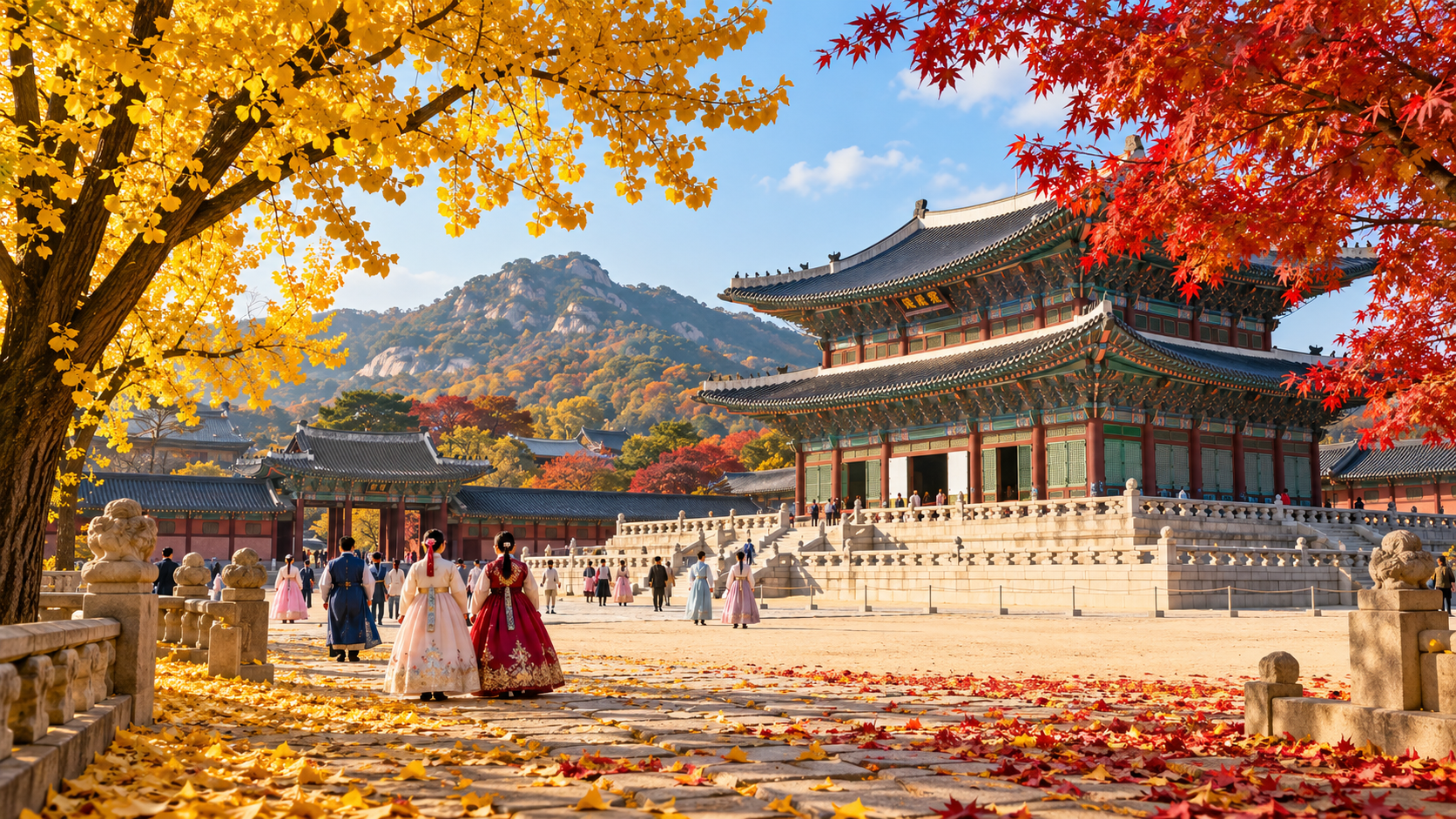
Why Korea Has So Many Mountain Temples Travel through Korea, and you may notice something unusual. Some of the country’s most beautiful Buddhist temples are not located in busy city centers. Instead, they appear beneath forested peaks, beside mountain streams, or at the end of quiet paths surrounded by pine trees. Visitors often discover them … 더 읽기